
Reviewed · ICELANDIC HORSE RIDING TOURS
Icelandic Horseback Riding Tour with Pickup Option from Reykjavik
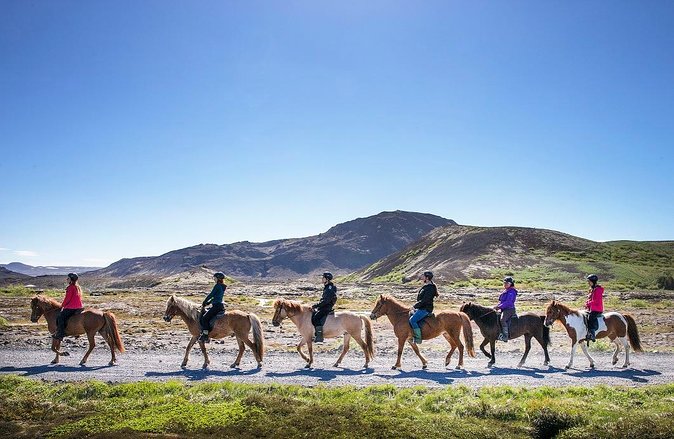
The best part of this ride is the chance to cross Iceland’s rough volcanic ground on the breed that has done so for centuries. Icelandic horses are calm, sturdy, and remarkably smooth in the tölt, a four-beat gait that suits uneven trails. You’ll ride past lava fields, moorland, mountains, and lakes, not just circle a paddock.
I like the clear split between ability levels, and I like the practical winter setup. Beginners can stay at a gentle pace while confident riders get chances to tölt or ride faster. Helmets, boots, rain gear, warm overalls, and a hot drink afterward make this far easier than packing a full riding kit for Iceland.
The main drawback is that the ride is only about two hours, and the starting group can be fairly large before it breaks apart. You must also mount from the ground by your own strength, and the 110-kilogram, or 240-pound, weight limit is firm.
Key points to know before booking
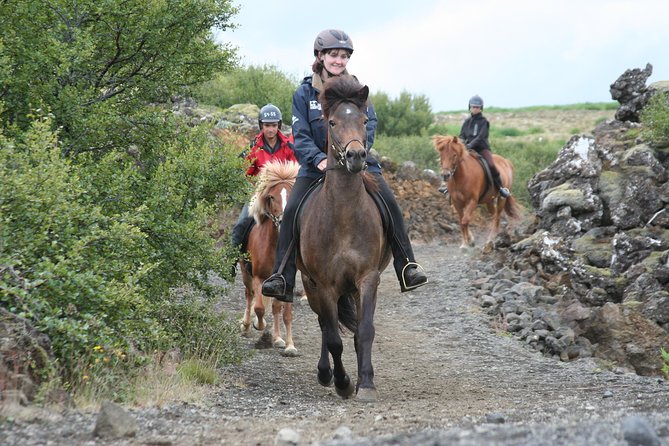
- Ride an original Viking-era breed: Icelandic horses descend from animals brought to Iceland in the 10th century and are famous for the smooth tölt.
- Groups are sorted by ability: Expect an initial assessment, then separate beginner, intermediate, and experienced riders.
- The scenery is volcanic and open: The route passes lava fields, moorland, volcanic mountains, lakes, and forested patches.
- Warm gear is supplied: Helmets, rubber boots, rain gear, and warm overalls are included, with coffee, tea, or hot chocolate after the ride.
- Pickup is optional but limited: Transport must be booked in advance and uses selected Reykjavik pickup points or nearby bus stops.
- Know the riding limits: The minimum age is seven, children under 18 need an adult, and all riders must mount independently.
Why this Icelandic horse ride feels different
Icelandic horses are small, strong, and sure-footed, but calling them simply ponies misses the point. They are a distinct breed, bred in Iceland after horses arrived with Norse settlers around the 10th century. Since no horses have been allowed into Iceland after export, the breed has remained unusually isolated.
The special attraction is the tölt. This four-beat gait lets the horse move quickly while keeping the rider relatively steady. It is not automatic for every rider, and your instructor will show you how to encourage it. For a first-time rider, simply walking through the lava country can be plenty. For an experienced rider, the chance to feel the tölt is likely the main reason to book.
The horses are also selected for their steady temperaments. That matters here because the group may include people who have never ridden before, people returning to the saddle after decades, and confident riders hoping to go faster. The horses need to handle that mix, and the guides need to manage it carefully.
More Icelandic Horse Riding Tours:
- Reykjavik: Red Lava Horse Riding Tour
★ 4.8 · 2,383 reviews - From Reykjavík: Icelandic Horse Riding Tour in Lava Fields
★ 4.7 · 1,356 reviews - Icelandic Horseback Riding Tour Including Pick Up from Reykjavik
★ 5.0 · 784 reviews
Arriving at Ishestar in Hafnarfjörður
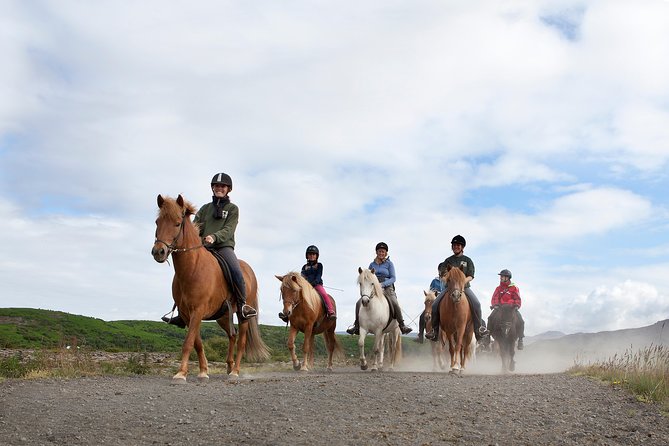
The stable is at Sörlaskeið 26 in Hafnarfjörður, just outside Reykjavik. If you drive yourself, plan to arrive 30 minutes before the scheduled start. The ride ends back at the same stable.
Pickup is offered only with the appropriate tour option, so do not assume it is included because a hotel address appears during booking. You select from approved pickup points in Reykjavik, and the actual collection point might be a nearby bus stop. If your hotel is not listed, contact the operator to find the nearest available point.
The drive from central Reykjavik is often around 15 to 20 minutes, based on the transport arrangements described for the ride. That makes this a practical half-day addition to a city stay. You do not need to give up an entire day of sightseeing to reach the stable and return.
At the stable, you meet the instructor and explain your riding background. Be direct. Tell the guide if you are nervous, if you have ridden only once or twice, or if you are comfortable at a trot and canter. The staff use this information, along with your riding during the first part of the route, to place you in a suitable group.
Getting ready for the saddle
Before riding, you watch a short instructional video. This covers the basic handling and safety points, then you collect the supplied riding gear. Helmets, rubber boots, rain gear, and warm overalls are included.
That clothing is not a small detail in Iceland. Wind can arrive quickly, and rain may appear even when the start of the ride looks dry. I would wear practical layers beneath the provided gear and avoid expensive shoes or clothing. Mud, wet ground, and horse contact are part of the deal.
Used riding gear cannot be brought onto the tour or near the horses. The stable provides what you need, so you should not plan to use personal riding equipment in the barn area. The supplied boots and outer layers also reduce the worry of ruining your own gear.
You must be able to mount the horse from the ground using your own strength. There is no promise of a mounting block or assisted lift. This requirement can be easy to overlook, especially for someone who has not ridden recently.
The first ride and the three pace groups
The ride begins behind an instructor, usually at a controlled pace while the guides watch how everyone handles the horses. This early section is important. It gives the staff a practical sense of your balance, confidence, and control rather than relying only on what you said at check-in.
The group is then divided according to ability. Beginners follow easier terrain at a slower pace. Intermediate riders can take a more active route, and experienced riders may be offered a faster option. The exact split can vary, but the purpose is clear: you are not locked into the pace of the least experienced person for the entire outing.
This system works especially well for families and mixed groups. A first-time rider can enjoy the outing without being pushed, while a regular rider can ask about the tölt or a quicker ride. One family group even included a person returning to riding after 50 years, alongside stronger riders. That sort of range is exactly what the group system is meant to handle.
Still, keep your expectations sensible. This is a guided trail ride, not a private riding lesson or a full-day training session. If you want long periods of cantering or galloping, ask the instructor what is possible on your date and in your group. The faster pace depends on ability, trail conditions, and the guide’s judgment.
A different kind of day from Reykjavik altogether:
- Reykjavik: Golden Circle Full-Day Tour with Kerid Crater
★ 4.8 · 24,485 reviews - Reykjavik Food Walk – Local Foodie Adventure in Iceland
★ 5.0 · 18,952 reviews - Iceland: Northern Lights Bus Tour from Reykjavik
★ 4.1 · 11,161 reviews - Reykjavík: South Coast Waterfalls, Black Sand & Glacier Tour
★ 4.8 · 11,030 reviews
Lava fields, moorland, and open Icelandic views
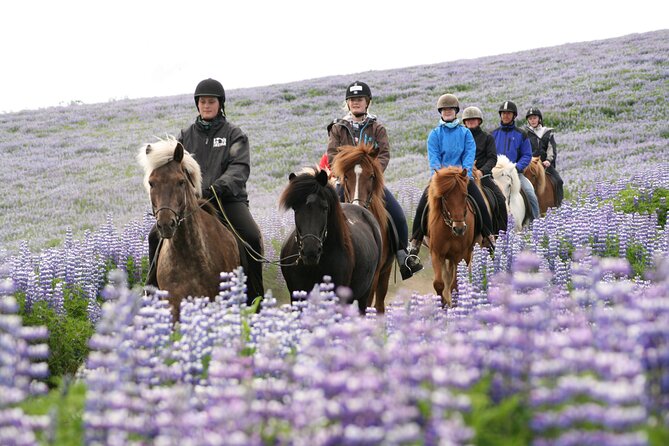
The scenery is the reason this ride feels more substantial than a basic stable outing. The route crosses lava fields and moorland, with volcanic mountains and lakes in view. You may also pass through wooded sections. The combination changes the feel of the ride from one stretch to the next.
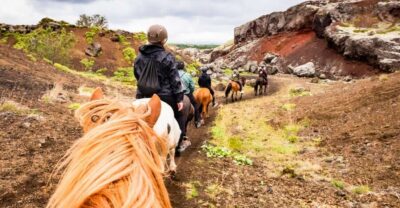
Lava fields make a striking riding surface. Dark rock, low vegetation, and open sky give you a close view of Iceland’s volcanic character. You are not merely looking at the scenery from a bus window. From horseback, the ground moves slowly beneath you, and you have time to notice the texture of the rock and the shape of the surrounding hills.
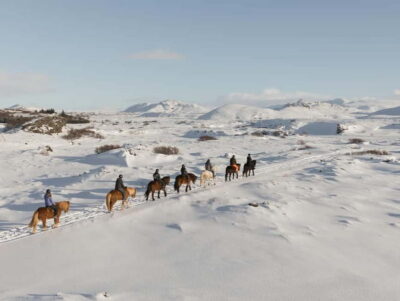
Morning departures can be especially appealing in the darker months. One early ride was timed well for sunrise, with snowy flat-topped mountains and light over the lava fields. The exact view depends on season and weather, but the timing can add a memorable layer to the outing.
The route also provides natural photo opportunities. Guides may stop at scenic points, but you should not expect a dedicated photography tour. Keep your phone secure and be ready to follow instructions around the horses. Wind and rain can make handling a camera awkward, so a small waterproof case is sensible.
How beginner-friendly is it?
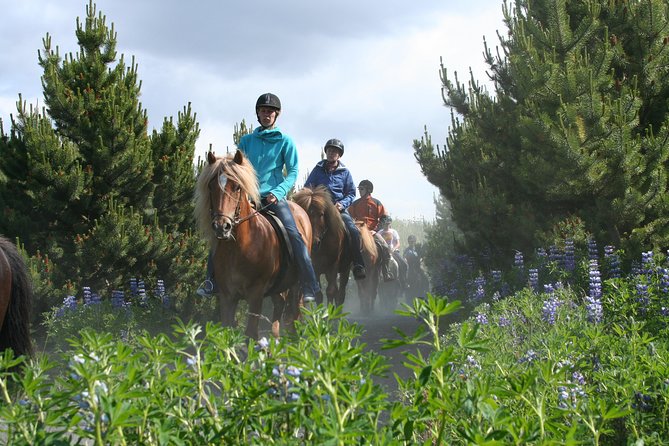
This is one of the stronger choices near Reykjavik for a first horseback ride. The horses are described as gentle and well trained, and the guides are expected to match the horse and pace to your ability. A first-time rider can remain with the walking group while more confident riders take on extra speed.
That does not mean you can arrive without any physical preparation. The tour requires moderate fitness, and you need enough leg and upper-body strength to mount independently and stay balanced in the saddle. Riding for two hours can also leave your hips and thighs tired, especially if you are new to it.
If you are anxious, say so before mounting. The staff can give clearer instructions and place you with a suitable horse. You can also ask to stay at a slower pace. The supplied helmets and riding clothes add useful protection from the elements, but they do not replace careful listening.
Children must be at least seven years old. Anyone under 18 must ride with an adult, and up to two children or young people can accompany each adult while paying the full fare. Check the age and group rules carefully if you are booking for a family.
Is the $133 price good value?
At about $133.02 per person, this is not a cheap short activity. The price makes more sense when you count what is included: roughly two hours on horseback, a guide, access to volcanic countryside, riding equipment, and a hot drink afterward. Pickup adds convenience if you do not have a car, though it must be selected and pre-booked.
I see the strongest value for someone who wants a distinctly Icelandic activity rather than another general sightseeing transfer. The horse, the tölt, and the lava-field route make this more specific than a standard trail ride. You are paying for both the ride and the setting.
The value is weaker if you already have extensive riding planned elsewhere in Iceland or if you want a long, private outing. The group can reach 30 people, even though it is later divided into smaller ability groups. You should also remember that the two-hour estimate includes preparation and regrouping, not two uninterrupted hours of fast riding.
For a first or only horseback ride in Iceland, I think the cost is reasonable if the horse and scenery appeal to you. The warm gear is particularly useful for a short visit, since buying or packing specialized clothing for one activity would cost more in time and luggage space.
The practical limits that matter
The 110-kilogram, or 240-pound, weight limit is an operating rule, not a rough suggestion. Check it before paying. Pregnant women cannot ride because of the possible risk to an unborn child.
The tour is offered in English. Confirmation is provided at booking, and the maximum group size is 30. Children under 18 need an accompanying adult.
Weather can affect the schedule. The operator may cancel if conditions are poor, offering another date or a full refund. If you cancel yourself, you need to do so at least 24 hours before the start time for a full refund. Changes made within 24 hours are not accepted, and late cancellations are not refunded.
I would avoid placing this ride on a tightly packed final morning before a flight. Pickup timing, changing clothes, and weather delays all deserve some breathing room. It is better suited to a morning or afternoon when you can let the stable schedule guide the day.
Who should book this ride?
I would choose this for a first-time rider, a returning rider, or a mixed group with different confidence levels. The ability split is useful, the horses are selected for calm behavior, and the route offers a real taste of Iceland’s volcanic countryside.
It also suits anyone who wants a quiet break from buses, museums, and city streets. You get fresh air, open ground, and time to notice the horses themselves. The stable setting and hot drink afterward keep the outing friendly rather than overly rugged.
I would hesitate if you cannot mount without help, dislike unpredictable weather, or want a private, highly athletic ride. The group may be busy at the beginning, and faster riding depends on how the guides assess the group that day.
Should you book the Ishestar ride?
Book it if you want to ride an Icelandic horse in its home country and value scenery, gentle instruction, and flexible pacing. The most memorable parts are likely to be the smooth tölt, the lava fields, and the sight of a beginner group moving calmly alongside a faster group.
Before booking, confirm three things: your pickup option, your ability to mount from the ground, and the 110-kilogram weight limit. Pack layers, accept the supplied rain gear even if the sky looks clear, and tell the instructor exactly how much speed you want.
For many people, this will be a highlight near Reykjavik. It is not a long expedition, but it gives you a close look at Icelandic horses and a very direct way to experience the country’s volcanic ground.
FAQ
Where does the horseback ride begin?
The ride begins at Ishestar Horse Riding Tours, Sörlaskeið 26, 220 Hafnarfjörður, Iceland. The activity ends back at the stable.
Is pickup from Reykjavik included?
Pickup is available only with tour options that specifically include it. You must choose pickup when booking and select from the listed Reykjavik pickup points. If your hotel is not listed, contact the operator for the nearest available point.
How long does the activity last?
The ride takes approximately two hours. If you drive yourself, arrive at the stables 30 minutes before the tour starts.
What should I wear or bring?
The stable provides a helmet, rubber boots, rain gear, and a warm overall. Wear practical layers and avoid expensive shoes or clothing that could be damaged by mud or wet conditions.
Can beginners join?
Yes. You explain your ability level to the instructor, and the group is divided into beginner, intermediate, and experienced riders. Beginners ride at a slower pace over easier terrain.
What is the minimum age?
The minimum age is seven. Children under 18 must be accompanied by an adult.
Is there a weight limit?
Yes. The maximum rider weight is 110 kilograms, or 240 pounds.
What happens if the weather is too poor to ride?
If the operator cancels because of poor weather, you can choose another date or receive a full refund. You can also cancel for a full refund if you do so at least 24 hours before the experience begins.
Newly added around Reykjavik
- Reykjavik: Whale Watching & Lava Show★ 5.0 · 4 reviews
- Reykjavík: Horse Riding Tours★ 4.9 · 127 reviews
- Reykjavik: Whale & Marine Adventure Tour★ 4.3 · 71 reviews
- Luxury Private Transfer from Reykjavik to Keflavik Airport★ 5.0 · 9 reviews
- From Reykjavík: Viking Horseback Tour in Hafnarfjörður★ 4.9 · 112 reviews
- Day Trip to Snæfellsness Peninsula from Reykjavik★ 5.0 · 7 reviews
- Winter South Coast Day Tour by Minibus from Reykjavik★ 5.0 · 109 reviews
- Whale Watching and Marine Life Tour in Reykjavik★ 4.5 · 55 reviews
Icelandic Horse Riding Tours, compared.
Icelandic Horseback Riding Tour Including Pick Up from Reykjavik
Read our review →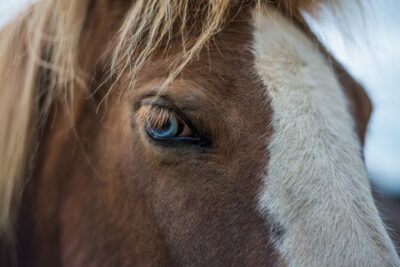
Golden Circle, Fridheimar Farm & Horses Small Group Tour from Reykjavik
Read our review →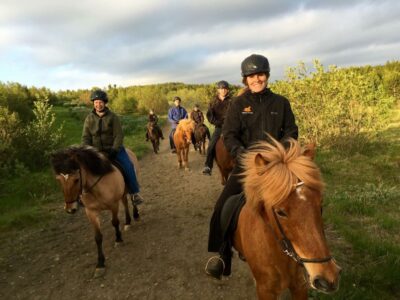
Small-Group Horse Volcano Riding Tour with Pickup
Read our review →
Silver Circle: Lava Cave, Waterfalls & Iceland Horses-Small Group
Read our review →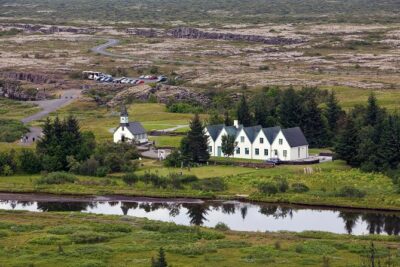
Viking Horse Riding and Golden Circle Tour from Reykjavik
Read our review →Browse the lists this tour appears in