
Reviewed · VOLCANO AND REYKJANES PENINSULA TOURS
Iceland Volcanic Eruption Area Helicopter Tour from Reykjavík
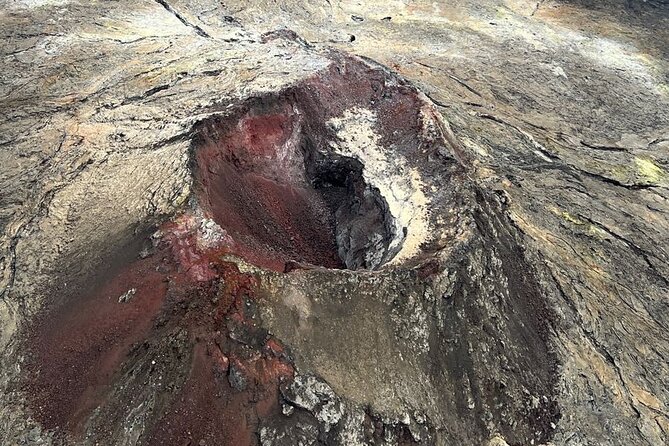
The most striking part of this tour is the chance to see Iceland’s recent volcanic activity from the air, then possibly stand beside lava formed during eruptions since 2021. The Reykjanes Peninsula is only about 30 kilometers from Reykjavík, but from a helicopter it feels far removed from city life.
I like the small group size, with a maximum of five people, and the way pilots such as Laura, Oliver, Robert, and Aleksander have added clear explanations about eruption dates, lava flows, and Iceland’s restless ground. I also like that the flight includes Reykjavík itself, so you get colorful rooftops and Faxaflói Bay along with the volcanic terrain.
The main catch is simple: volcanic activity and flying conditions cannot be guaranteed. You may see flowing lava, smoking craters, or only cooled lava fields, and bad weather can force a cancellation or a change of date.
Key points to know before booking
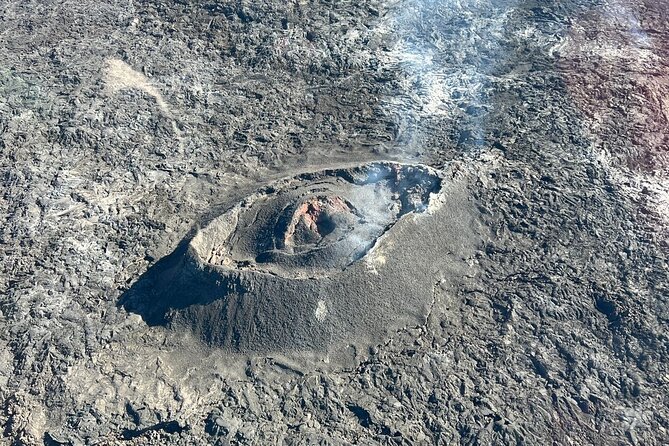
- Recent lava fields: See ground shaped by eruptions that began in the Reykjanes region in 2021.
- Aerial Reykjavík: Look down on the capital, its rooftops, coastline, and Faxaflói Bay before or after reaching the volcanic zone.
- Maximum five people: A small cabin gives each person a better chance at a clear view.
- Landing may be possible: Some flights land near a crater or on a solidified lava field, but this depends on safety and weather.
- Pilot-led geology lesson: English-speaking pilots explain eruption types, dates, craters, and visible changes in the ground.
- Weather matters: The operator may reschedule the flight or provide a full refund if wind or other poor conditions make flying unsafe.
Why seeing Reykjanes from a helicopter changes the story
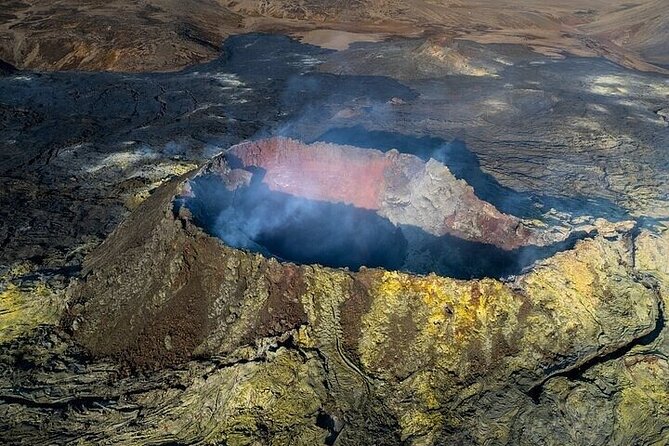
From the road, Iceland’s volcanic ground can look broad and stark. From above, you begin to understand its scale. The Reykjanes Peninsula has seen multiple eruptions since 2021, along with more than 50,000 earthquakes in recent years. A helicopter lets you connect those numbers with visible evidence: fresh lava fields, dark craters, smoking areas, and ground broken by tectonic force.
I like this tour because it is not only a scenic flight. It gives you a quick lesson in how Iceland is being made right now. The pilot points out older eruption sites and explains how different eruptions have shaped the peninsula. If a fissure is active during your flight, the view can be thrilling. If activity has stopped, the cooled lava and remaining steam still tell a remarkable story.
You should keep your expectations flexible. The word volcanic does not mean you will certainly see red lava. Several flights took place soon after activity had stopped, yet passengers still saw warm or smoking craters and the effects of recent flows. That is part of the nature of this trip. You are visiting a living volcanic zone, not a staged show.
More Reykjavik Helicopter Tours:
- From Reykjavik: New Volcanic Area Helicopter Tour
★ 4.8 · 500 reviews - 1-Hour Helicopter Tour in Iceland: The Geothermal Tour
★ 4.9 · 263 reviews - Helicopter Tour with Mountain Summit Landing from Reykjavik
★ 5.0 · 243 reviews
Leaving Reykjavík for the volcanic zone
The meeting point is Glacier HeliACE FBO at Nauthólsvegur 101, near Reykjavík’s city center and public transportation. The activity returns to this same location, and there is no hotel pickup or drop-off, so you need to make your own way to the base.
The flight lasts about 35 to 45 minutes in total. One stated portion at the Reykjanes Peninsula lasts around 20 minutes, with the remaining time used for the flight between Reykjavík, the volcanic area, and other aerial views. That is a short window, so you should arrive ready rather than treating the FBO as a place to linger.
The operator offers multiple departure times. That is helpful if you are fitting the flight around museums, a food tour, or a drive outside the city. I would still book it early in your Iceland stay if possible. Weather can interrupt helicopter operations, and moving the flight by a day or two is easier when you have room in your schedule.
The operator has sometimes contacted passengers to adjust times because of weather or scheduling. That can be inconvenient, especially if you have a tight airport transfer or a packed day. It also reflects the limits of flying in Iceland. Keep your plans loose around this activity, and confirm any new time promptly.
The aerial view of Reykjavík and Faxaflói Bay
Before reaching the volcanic zone, or on the return route, you get a bird’s-eye view of Reykjavík. The capital is compact enough to read from above. Colorful roofs, the shoreline, and the icy blue waters of Faxaflói Bay create a sharp contrast with the darker volcanic terrain beyond the city.
This city segment adds real value to the trip. A volcano flight alone would focus on geology, while this route gives you a sense of how Reykjavík sits between the sea and Iceland’s raw interior. If you are taking the tour early in your visit, it can help you get your bearings.
Do not expect a long sightseeing flight over every part of Reykjavík. The tour’s main purpose is the Reykjanes volcanic area, and the city views are one part of a short flight. Still, they make good photographs and give the outing more variety than a direct trip to the eruption zone.
What you may see on the Reykjanes Peninsula
The volcanic area is the heart of the tour. You may fly over old and recent eruption sites, lava fields, craters, fissures, and areas where the ground still releases steam or sulphuric gas. The exact route depends on safety, weather, and what is happening in the region at the time.
Some flights have included repeated passes around an active fissure so everyone could see it clearly, not just the person seated closest to the pilot. That matters in a helicopter, where the cabin angle and seat position affect your view. A skilled pilot can make several circuits and point the aircraft toward the most important features.
When the volcano is active, the flight can include bright red lava or bursts from a fissure. That is the best-case scenario, but it cannot be promised. Volcanic eruptions can pause or stop within days, and authorities or the operator may keep the helicopter at a safe distance.
Even after activity ends, you can see newly cooled lava, smoking craters, and the broad scars left by the eruption. One particularly valuable part of the experience is seeing how quickly the dark lava meets older ground and surrounding terrain. You get a close view of a place that is still changing.
More Volcano and Reykjanes Peninsula Tours:
- Golden Circle with Kerid Volcanic Crater Day Tour from Reykjavik
★ 4.5 · 2,826 reviews - Golden Circle, Volcano Crater and Blue Lagoon Small-Group Tour
★ 5.0 · 1,932 reviews - Reykjavík: Volcano Eruption Site and Reykjanes Hiking Tour
★ 4.6 · 1,066 reviews - Reykjavík: Guided Afternoon Hiking Tour to New Volcano Site
★ 4.4 · 934 reviews
Landing on lava, when conditions allow
Several flights have included a landing near a crater or on a solidified lava field. Passengers were sometimes able to leave the helicopter and walk on the cooled surface for a few minutes. That is a major difference between a standard scenic flight and this volcanic tour.
You should treat the landing as a possible bonus, not a fixed part of the itinerary. Weather, safety rules, volcanic gases, ground conditions, and current activity all affect the decision. The supplied tour details do not promise a landing on every departure.
If you do land, the stop can make the price feel easier to justify. From the air, lava is impressive. Standing beside it gives you a better sense of its rough texture, heat, and scale. Some areas have remained warm, with sulphuric gas still venting, so you must follow the pilot’s instructions and stay where you are told.
The ground is not a casual walking trail. You should wear sensible clothing and footwear suitable for a brief outdoor stop, though the exact clothing requirements are not specified. The visit is short, so this is not a hike or an extended exploration of the peninsula.
The pilots add much of the value
The pilot is more than the person flying the helicopter. The best part of the commentary is its connection to what you are seeing below. Pilots have explained the dates of recent eruptions, different types of volcanic activity, crater locations, and changes in the ground.
Laura received especially strong praise for her explanations and smooth flying. Oliver was described as informative during a flight that landed near the 2021 eruption site. Robert led a birthday flight to a crater and provided useful information along the way. Aleksander, a pilot from Norway, stayed in contact during a weather-related change and explained eruption time frames and the local area.
These names do not mean you can request a particular pilot. They do show the kind of service you can expect when conditions and staffing line up well: calm flying, clear explanations, and several passes so each person gets a view.
The cabin holds a maximum of five people. That is a meaningful advantage over a large sightseeing aircraft. You still share the helicopter with other passengers, and seat choice is not entirely under your control. One passenger cannot simply claim the front seat, since the pilot decides seating. The small group and repeated turns help balance that limitation.
Is $592.82 a fair price?
At $592.82 per person, this is a costly Iceland activity. You are paying for a helicopter, fuel, a pilot, a short flight, and the chance to see a volcanic zone that cannot be reached in the same way from the ground. The price is not a bargain in the usual sense.
I think the value depends on what you want from Iceland. If your main goal is to save money or spend a full day outdoors, a helicopter is not the right choice. If you care about photography, geology, or rare access to recent lava fields, the small group and aerial perspective give the tour a strong case.
The possibility of landing adds important value, but you should not use it as the only reason to book. The flight can still be worthwhile without a landing, especially if you see active lava or smoke-filled craters. On the other hand, a flight with no active lava and no landing may feel brief for the price.
The total experience lasts less than an hour, so compare it with longer excursions before deciding. The appeal here is not duration. It is the combination of helicopter flight, current volcanic activity, close views, and the chance to see Reykjavík from above in one compact outing.
Weather, cancellations, and planning around risk
This experience requires good weather. High winds or poor visibility can make the flight unsafe, and the operator may cancel on the day. If that happens, you can accept another date or receive a full refund.
That policy is useful, but a refund does not recover a missed opportunity if you are leaving Iceland soon. This is why I would avoid scheduling the flight on the final morning unless you have no other option. One passenger booked it on the final day and enjoyed it, but that approach leaves little room if weather interrupts the plan.
You can cancel for a full refund if you do so at least 24 hours before the start time. Changes or cancellations inside that 24-hour window are not accepted for a refund. The cut-off uses local Icelandic time.
The tour also requires a minimum number of participants. If that minimum is not reached, the operator will offer another date or activity, or issue a full refund. Confirmation is provided when you book, and the ticket is mobile.
Who will enjoy this tour most?
I would recommend it most strongly to photographers and anyone fascinated by volcanoes, tectonic activity, and the natural world. The changing light over Reykjavík, the dark lava, and the possibility of glowing activity offer subjects you cannot easily reproduce from the ground.
It also suits families with teenagers, provided everyone is comfortable with a helicopter flight and the conditions of the activity. One nervous passenger who had never flown in a helicopter ended up enjoying the trip, and teenagers responded well to the unusual setting and close views.
This may not suit you if you dislike uncertain schedules, have a very tight itinerary, or expect a guaranteed eruption. It is also less appealing if you want a long walk or a full-day outing. The flight is short and focused, with only a brief possible stop on the ground.
The listed maximum passenger weight is 243 pounds per person. If that limit applies to you or someone in your group, confirm how the operator handles it before arrival. Most people can participate, but the helicopter format means normal safety and seating rules matter.
Should you book the GlacierHeli volcanic flight?
Book it if you want the most direct way to see recent volcanic activity near Reykjavík and you can accept the risks of Icelandic weather. The best version of the tour includes an active fissure, repeated passes, a landing near cooled lava, and a pilot who explains what you are seeing. That can be one of the defining experiences of an Iceland trip.
I would schedule it early enough to allow a postponement, choose a time that does not create pressure later in the day, and think of active lava as a bonus rather than a promise. For a high-cost activity lasting under an hour, that honest expectation matters.
If you can afford the price and the Reykjanes eruptions are high on your list, this is a strong choice. If you need guaranteed sightseeing, a lower price, or a longer outing, choose a ground-based activity instead.
FAQ
Where does the helicopter tour begin?
The tour begins at Glacier HeliACE FBO Reykjavik, Nauthólsvegur 101, 105 Reykjavík, Iceland.
Where does the tour end?
The activity ends back at the same meeting point in Reykjavík.
How long does the tour last?
The helicopter experience lasts approximately 35 to 45 minutes.
How many people can join the flight?
The activity has a maximum of five travelers.
Is the tour offered in English?
Yes. The tour is offered in English.
Does the price include hotel pickup?
No. Hotel pickup and drop-off are not included.
Does the tour always include an active eruption?
No. Eruptions are natural and may not be active during your flight. You may instead see cooled lava fields, craters, smoke, and the effects of earlier eruptions.
Can you land on the lava field?
A landing may be possible when weather and safety conditions allow. It is not guaranteed for every flight.
What happens if bad weather cancels the tour?
You will be offered another date or a full refund if poor weather causes the cancellation.
Can you cancel for a full refund?
Yes. You can cancel at least 24 hours before the experience start time for a full refund. Cancellations or changes made less than 24 hours before the start time are not accepted for a refund.
Newly added around Reykjavik
- Reykjavik: Whale Watching & Lava Show★ 5.0 · 4 reviews
- Reykjavík: Horse Riding Tours★ 4.9 · 127 reviews
- Reykjavik: Whale & Marine Adventure Tour★ 4.3 · 71 reviews
- From Reykjavík: Viking Horseback Tour in Hafnarfjörður★ 4.9 · 112 reviews
- Luxury Private Transfer from Reykjavik to Keflavik Airport★ 5.0 · 9 reviews
- Day Trip to Snæfellsness Peninsula from Reykjavik★ 5.0 · 7 reviews
- Winter South Coast Day Tour by Minibus from Reykjavik★ 5.0 · 109 reviews
- Whale Watching and Marine Life Tour in Reykjavik★ 4.5 · 55 reviews
Volcano and Reykjanes Peninsula Tours, compared.
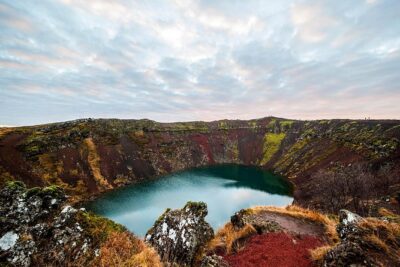
Golden Circle with Kerid Volcanic Crater Day Tour from Reykjavik
Read our review →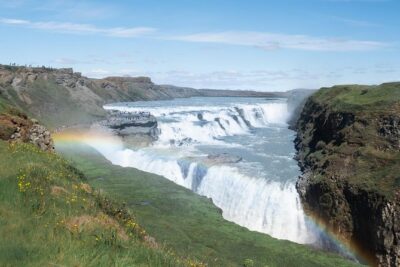
Golden Circle, Volcano Crater and Blue Lagoon Small-Group Tour
Read our review →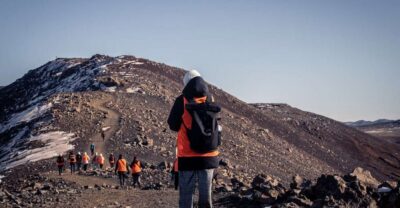
Volcano Eruption Site and Reykjanes Hiking Tour
Read our review →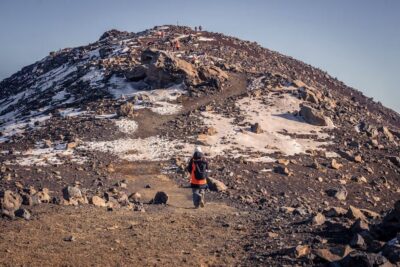
Guided Afternoon Hiking Tour to New Volcano Site
Read our review →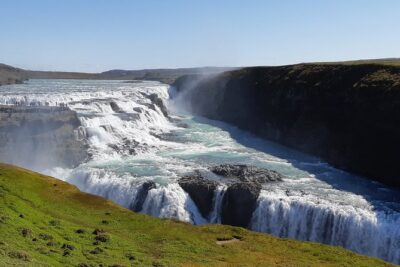
Golden Circle and Kerid Volcanic Crater Small-Group Day Tour
Read our review →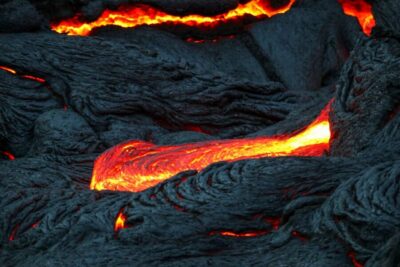
Iceland Hiking Tour to Fagradalsfjall Volcano with Local Guide
Read our review →Browse the lists this tour appears in