
Reviewed · REYKJAVIK WHALE WATCHING TOURS
Reykjavik: Whale and Puffin Watching RIB Boat Tour
The best part of this Reykjavik boat trip is the mix of fast RIB riding and close wildlife viewing. You head out from the Old Harbour toward puffin islands, then search a wider stretch of water for dolphins and whales with a marine biologist at your side. Guides such as Matt, Kylie, Emily, Max, Mike, and Marie have all been praised for clear, lively explanations.
I like two things in particular: the small group of no more than 12 makes it easier to hear the guide and move your eyes across the water, and the crew shares photos taken during the trip afterward. The boat seats also have shock-absorbing support, which matters when the sea gets lumpy.
The tradeoff is simple: wildlife is never guaranteed, and the ride can be brisk and cold. You need to be at least 10 years old and 145 centimeters tall, and this is not suitable for pregnant women, people with mobility impairments, or anyone over 75.
Key points to know
- Puffin islands come first: See puffins in their natural setting during the seasonal window, generally from late April through August.
- A two-hour search area: The RIB can cover more water than a slower, larger boat during the same outing.
- Marine biologist guides: Expect help identifying whales, dolphins, porpoises, seabirds, and puffin behavior.
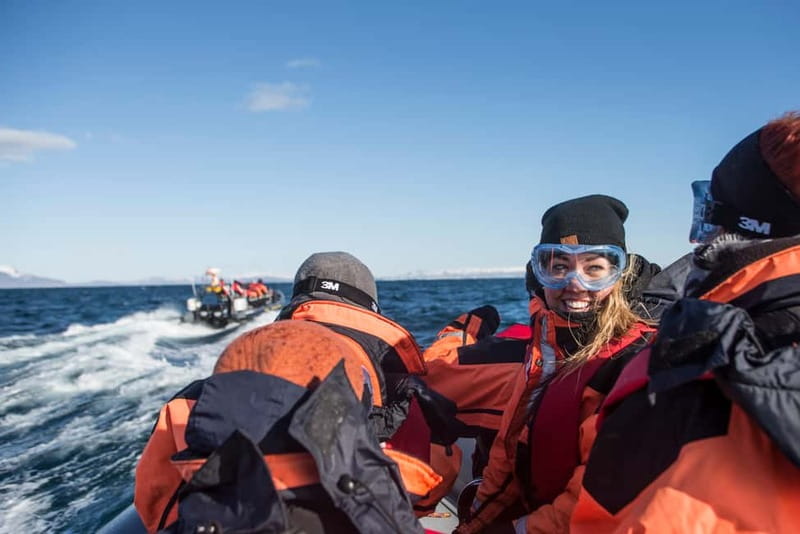
- Warm equipment is supplied: Full weatherproof overalls, gloves, and goggles help, but bring warm layers and sturdy shoes.
- A lively ride: The RIB is stable, but speed and waves mean you should be ready to hold on.
- City views finish the trip: The return route passes Reykjavik’s waterfront, Harpa Concert Hall, and the Sun Voyager sculpture.
Leaving Reykjavik’s Old Harbour
You meet at the tour office in Reykjavik’s Old Harbour, a handy starting point if you are already exploring the city center. The outing lasts two hours and ends back where it began, so you do not need to arrange a separate ride from another part of town.
Before boarding, you receive the safety equipment and weather gear. The package includes warm overalls, gloves, goggles, and the required safety kit. Bring hiking shoes or other secure footwear, plus your warmest practical layers. High heels are not allowed, and they would be a poor match for the boat anyway.
This is a small-group trip, limited to 12 people. That number is useful on a wildlife tour because the guide can speak to the whole group without shouting across a large deck. You also have a better chance of keeping an open view of the water.
There is no toilet on board and no food service. Use the facilities before departure and bring nothing that needs to be eaten during the ride. Keep cameras and phones secure, since the boat moves quickly and the sea spray can be sharp.
More Reykjavik Puffin Watching Tours:
- Reykjavik: Puffin Watching Boat Tour
★ 4.6 · 1,052 reviews - Puffin Cruise with Expert Tour Guide from Reykjavik
★ 4.5 · 636 reviews - Reykjavik: Whales and Puffins Express Cruise Combo Tour
★ 4.3 · 442 reviews
The RIB ride and what it feels like
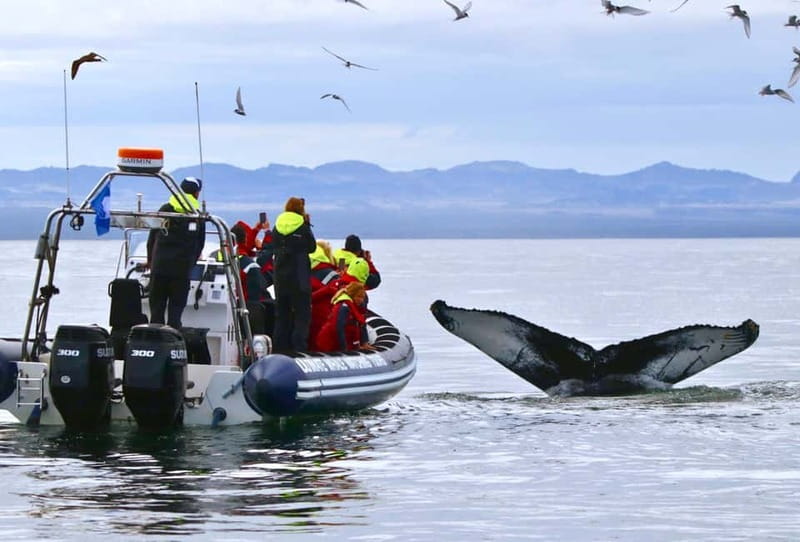
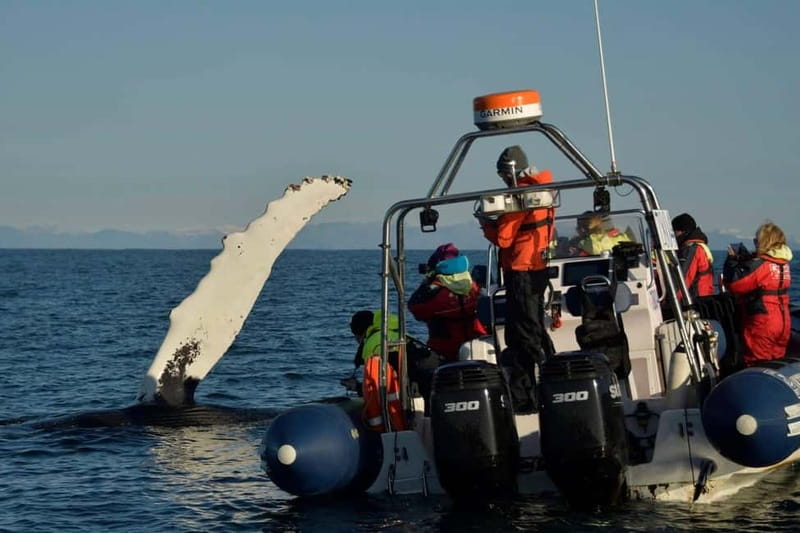
A rigid inflatable boat, or RIB, gives this outing its character. It sits low on the water, turns readily, and can cover broad search areas. That matters because whales and dolphins do not wait near a fixed viewing point. The captain can adjust course as the guide spots activity or receives information about animal locations.
The ride is not a quiet cruise. Several people describe it as thrilling, with the captain adding extra speed at times. The vessel is built for stability, and the seats include a spring-like suspension system that helps soften the repeated bumps. Still, stable does not mean smooth. You should be comfortable with a lively ride and able to brace yourself.
The speed brings a useful benefit. If the animals are farther out, the RIB can reach more open water during the two-hour schedule. It can also approach wildlife from a lower position than a big sightseeing vessel, giving you a close-to-the-water view when an animal surfaces nearby.
Your guide will tell the captain where to position the boat and explain what you are seeing. The crew is trained in whale watching, and the guide on many departures is a marine biologist. Named guides in past departures have included Matt, Kylie, Emily, Max, Mike, and Marie, though your guide will depend on the day.
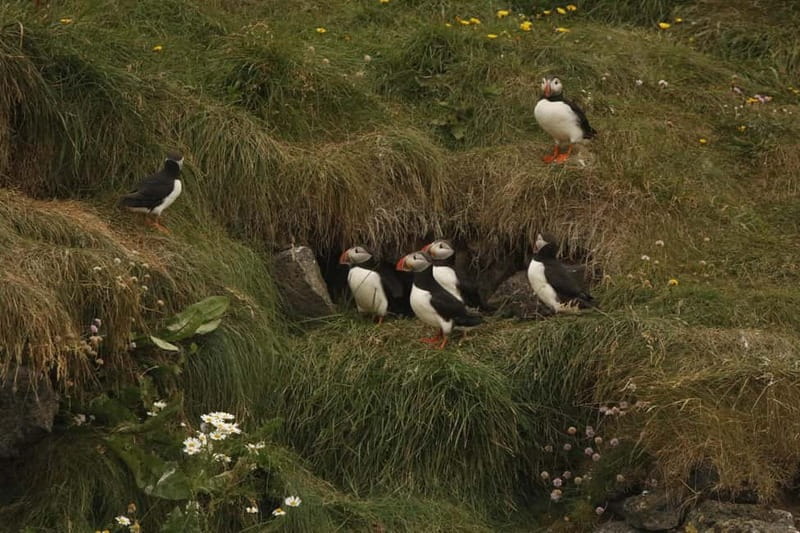
Puffins around the islands
The first wildlife focus is usually the puffin colonies around islands near Reykjavik. Puffins are seasonal here, so timing matters. The activity runs from April 1 through October 31, but the puffin period is listed as April 20 to August 15 in the tour details, with another notice extending it to August 20. If puffins are your main goal, confirm the exact seasonal dates when you choose your departure.
Seeing puffins at sea is different from seeing one in a photograph or at a wildlife center. You watch them in the setting they use for feeding, flying, and nesting. The guide can explain their behavior and help you pick them out among the seabirds.
Do not expect every bird to pose beside the boat. The value is in seeing the colony and the wider bird activity around the islands. Some outings have produced views of hundreds of puffins, while other trips may offer a smaller number. Nature sets the schedule.
The guide also points out other seabirds and explains how the birds use the islands. This adds purpose to the ride. You are not simply checking a puffin off a list, you are learning why the birds gather there and how the sea supports them.
Searching for whales, dolphins, and porpoises
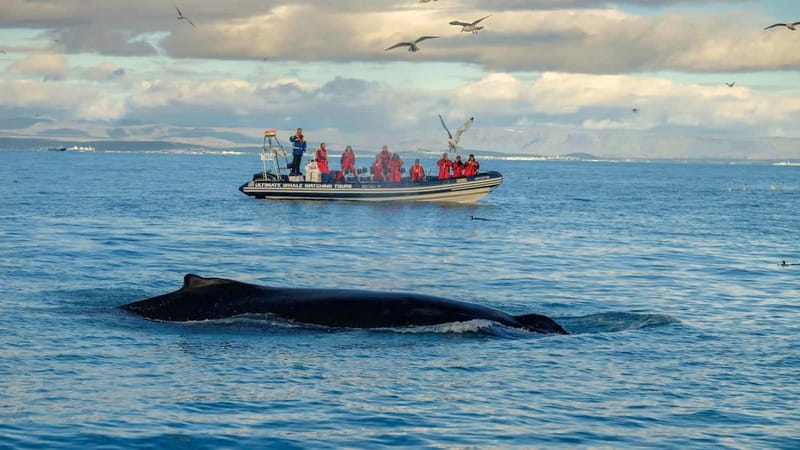
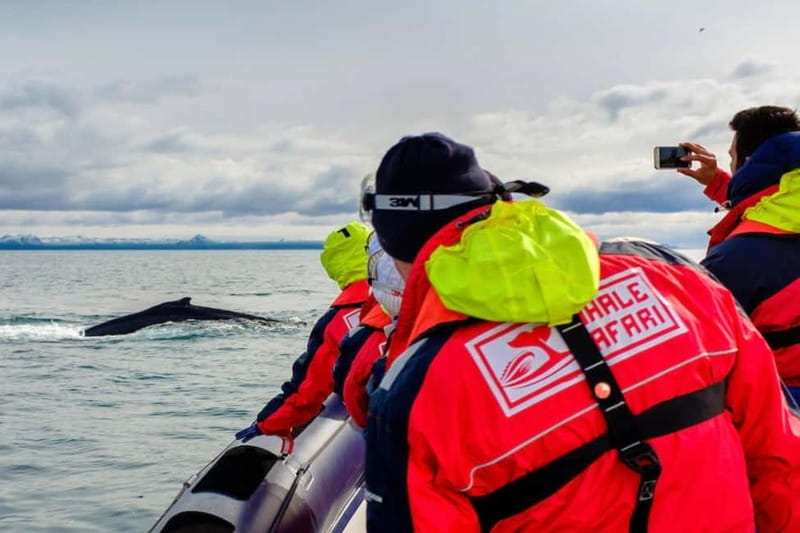
After the puffin stop, the boat heads farther out to search for marine life. Common sightings reported on this trip include minke whales, humpback whales, dolphins, porpoises, and several types of seabirds. One outing produced minke and humpback whales along with dozens of dolphins. Another had more than 60 whales, an unusually strong day that shows what is possible, not what is guaranteed.
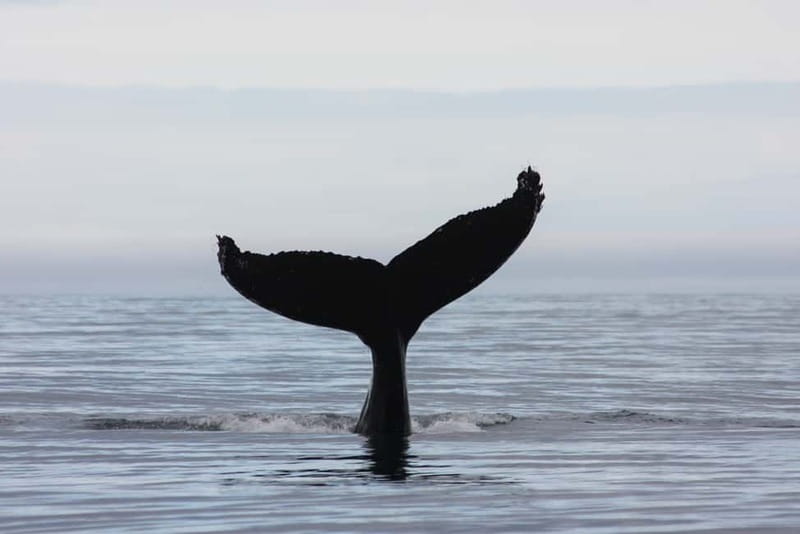
You might see a whale surface once and vanish, or you might watch repeated blows and tail movements. Humpbacks can be especially memorable when they breach or dive repeatedly, but you should keep your expectations flexible. One trip produced only a single whale, yet also included puffins, white-beaked dolphins, and a scenic ride along the coast.
That uncertainty is worth understanding before you pay $191. You are buying a well-run search for wild animals, not a guaranteed performance. The guide and captain can improve your odds by covering more water and reading the signs on the surface, but no operator can control the sea.
The RIB’s low position can make a close sighting feel especially immediate. You may hear an animal exhale as it surfaces, and a curious dolphin or porpoise might move around the boat. The crew must keep a respectful distance and avoid disturbing the animals, so close does not mean touching or chasing them.
The most useful skill on this part of the trip is spotting. A marine biologist can tell you where to look, identify a blow, and explain whether a dark shape is a whale, dolphin, or seabird. Without that help, you could easily miss a quick appearance on the horizon.
More Reykjavik Whale Watching Tours:
- Reykjavík: Whale Watching and Marine Life Cruise
★ 4.6 · 9,838 reviews - Reykjavík: Whale Watching Cruise on the Amelia Rose Yacht
★ 4.5 · 2,911 reviews - The Original Classic Whale Watching from Reykjavik
★ 4.5 · 2,626 reviews - Reykjavik: Whale Watching Tour with Expert Guide
★ 4.2 · 2,307 reviews
The return past Harpa and Sun Voyager
The ride back is not just dead time. The boat follows Reykjavik’s waterfront, giving you a different view of the capital from the water. Harpa Concert Hall is particularly striking from offshore, with its geometric glass exterior catching the changing Icelandic light.
You also pass the Sun Voyager sculpture, the steel ship-shaped landmark along the waterfront. From the sea, the sculpture connects naturally with the trip’s themes of exploration and travel, though the real reward is the changing view of the city behind it.
This final stretch gives the outing a nice balance. You have spent much of the trip looking for moving wildlife on open water, then you return to a clear urban view. If the whale sightings are brief, the harbor and shoreline still give the tour a visual finish.
Warm clothing, wind, and practical comfort
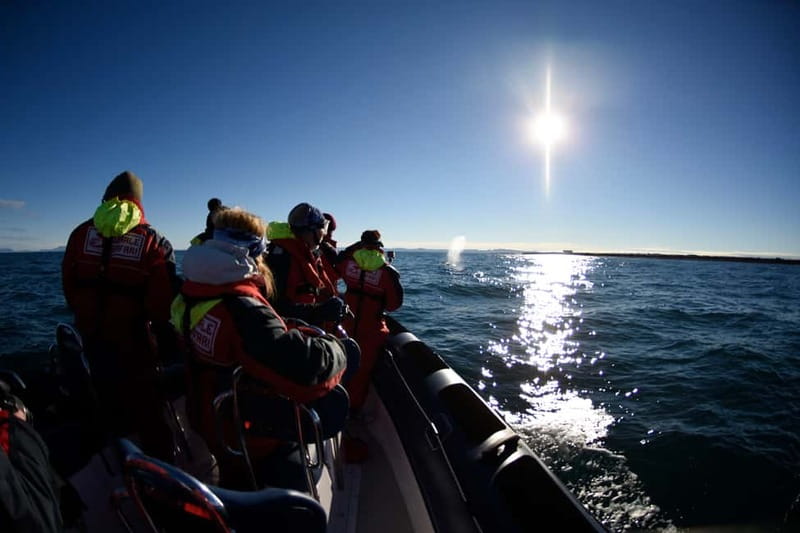
The provided overalls are important, but do not treat them as your only clothing. The water can feel much colder than Reykjavik’s streets, especially when the boat is moving. Wear wool or other warm layers underneath, and bring a warm coat, hat, and sturdy footwear.
Several people have found the goggles useful because the wind becomes intense at speed. Sunglasses can also help in bright conditions, though the operator provides eye protection. Gloves are supplied, and you may want to use the crew’s gloves even if you bring your own.
One person found that a suit was already damp and had a slightly musty smell. That is a minor comfort issue, but it is worth knowing. The supplied gear is practical protection, not luxury clothing.
The boat can be comfortable for a RIB, thanks to its supported seats, but you still need to brace yourself. If you are prone to motion sickness, consider the sea forecast and your own tolerance before booking. The information provided does not promise a smooth ride, and the trip’s appeal partly comes from its speed.
Who can take this tour
The minimum age is 10, and the minimum height is 145 centimeters. These limits are tied to the boat and safety equipment, so children who meet one requirement but not the other still cannot join.
The tour is not suitable for pregnant women, people with mobility impairments, people over 75, or anyone weighing more than 140 kilograms. You should also be able to get into the boat and remain seated during a fast ride.
This is a good choice if you want an active outing rather than a passive cruise. It suits people who enjoy wildlife, photography, seabirds, and a bit of speed. It also works well for a short Reykjavik stay because the trip leaves from the city and takes only two hours.
If your main goal is a calm, sheltered viewing platform, choose a larger boat instead. A bigger vessel may feel less exposed to wind and spray, while this RIB offers better maneuverability and a more energetic ride.
What you receive for $191
At $191 per person, this is not a budget harbor outing. The price makes more sense if you value the small group, the specialist guide, the fast boat, the included protective gear, and the ability to search a larger area.
You also receive access to photographs taken by the crew. The timing varies, but photos have been sent later the same day or the following day. That is useful because taking your own pictures while holding on, watching the horizon, and staying dry can be difficult.
The value depends heavily on your attitude toward wildlife. If you need a guaranteed humpback whale or a full camera card, the price may feel steep on a quiet sea day. If you see dolphins, puffins, minke whales, or humpbacks, the combination of wildlife and RIB riding can make the cost feel justified.
The guide is another part of the value. A trained marine biologist can turn a short sighting into a useful lesson about animal behavior, seabirds, and the waters around Reykjavik. Guides including Emily and Max have been praised for explaining what was happening without making the trip feel like a lecture.
Free cancellation up to 24 hours before departure and reserve-now, pay-later booking add flexibility. You still need to check the available start times when booking, since the schedule changes.
Timing your departure
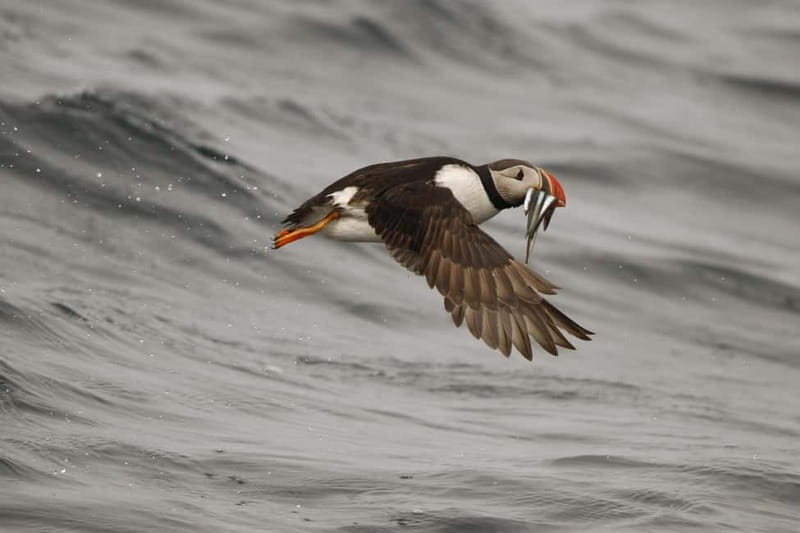
The tour operates from April through October, but the best date depends on what you want to see. Puffins are seasonal and generally present from late April into August. The information gives both August 15 and August 20 as the end of puffin season, so confirm the exact date before booking a late-season trip.
Whales and dolphins can also be unpredictable. Some departures have seen animals soon after leaving the harbor, while others have required a longer search. A late afternoon trip can still produce excellent sightings, including puffins, dolphins, porpoises, and several whale species.
Do not choose a time only because it fits neatly between other activities. Leave yourself enough room for the full two hours, changing gear, and any weather-related adjustment. If conditions require a rearrangement, clear communication from the operator matters, and this has been handled well on past departures.
Should you book the Reykjavik RIB tour?
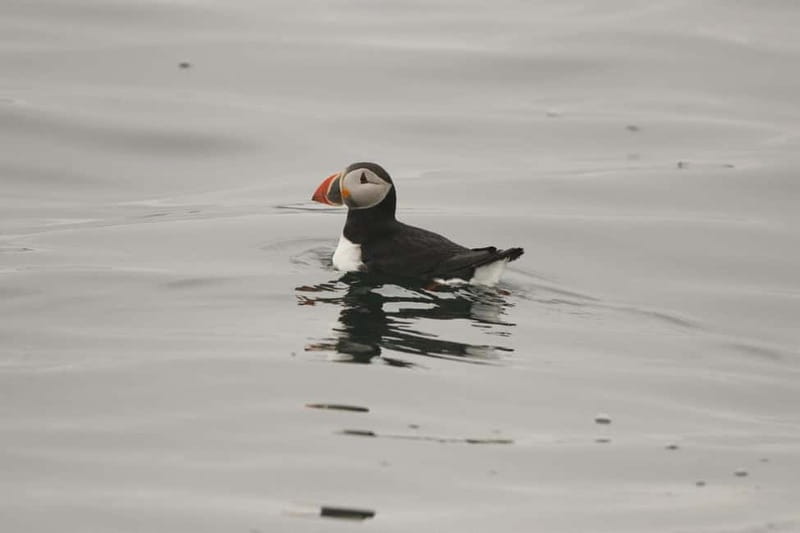
I would book this if you want a small-group wildlife trip with a real sense of motion. The strongest reasons are the marine biologist guide, the RIB’s ability to cover more water, the puffin islands, and the chance to see dolphins or whales at close range.
I would skip it if you dislike cold wind, fast boats, or uncertain wildlife results. This is not a guaranteed whale show and not a gentle sightseeing cruise.
For the best chance of seeing puffins, travel during their listed season and confirm the end date. Bring warm layers, secure shoes, sunglasses or an appetite for goggles, and realistic expectations. If those conditions suit you, this is one of the more memorable ways to combine Reykjavik city views with Iceland’s sea life.
FAQ
Where does the whale and puffin tour start?
You meet at the ticket office in Reykjavik’s Old Harbour. The tour also ends back at the same meeting point.
How long does the tour last?
The RIB tour lasts two hours. Starting times depend on availability at the time of booking.
How many people can join the tour?
The activity is limited to 12 participants, making it a small-group outing.
When is puffin season?
Puffin season is listed as April 20 to August 15 in the activity details, with another notice stating April 20 to August 20. Confirm the exact seasonal end date when booking.
What wildlife might I see?
Possible sightings include puffins, minke whales, humpback whales, dolphins, porpoises, and other seabirds. Wildlife sightings are not guaranteed.
Is the tour available all year?
No. The tour operates from April 1 through October 31.
What clothing and equipment are provided?
The operator provides warm overalls, gloves, goggles, and all necessary safety equipment. You should still bring weather-appropriate clothing and hiking shoes.
Is there a toilet or food on the boat?
No. There are no toilets or food service on board, so plan ahead before departure.
Who cannot take this tour?
The tour is not suitable for children under 10, people under 145 centimeters tall, pregnant women, people with mobility impairments, people over 75, or anyone over 140 kilograms.
More Cruises & Boat Tours
- Reykjavik: Northern Lights Yacht Tour
★ 4.4 · 1,253 reviews - Reykjavik: Whale Watching and Dolphin Watching Yacht Cruise
★ 4.5 · 707 reviews - Whale Watching Cruise on a Yacht in Reykjavik
★ 4.5 · 684 reviews - Whale-Watching Boat Tour with Expert Guide from Reykjavik
★ 4.0 · 651 reviews
Newly added around Reykjavik
- Reykjavik: Whale Watching & Lava Show★ 5.0 · 4 reviews
- Reykjavík: Horse Riding Tours★ 4.9 · 127 reviews
- Reykjavik: Whale & Marine Adventure Tour★ 4.3 · 71 reviews
- From Reykjavík: Viking Horseback Tour in Hafnarfjörður★ 4.9 · 112 reviews
- Luxury Private Transfer from Reykjavik to Keflavik Airport★ 5.0 · 9 reviews
- Day Trip to Snæfellsness Peninsula from Reykjavik★ 5.0 · 7 reviews
- Winter South Coast Day Tour by Minibus from Reykjavik★ 5.0 · 109 reviews
- Whale Watching and Marine Life Tour in Reykjavik★ 4.5 · 55 reviews
Reykjavik Whale Watching Tours, compared.
Whale Watching Cruise on the Amelia Rose Yacht
Read our review →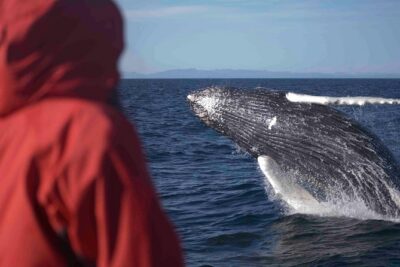
The Original Classic Whale Watching from Reykjavik
Read our review →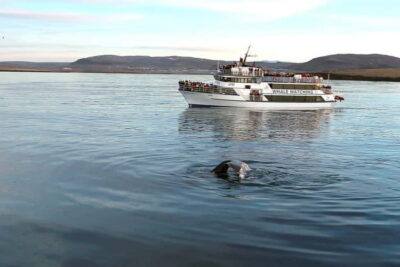
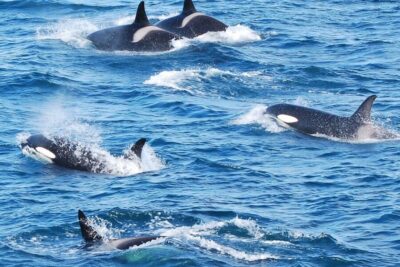
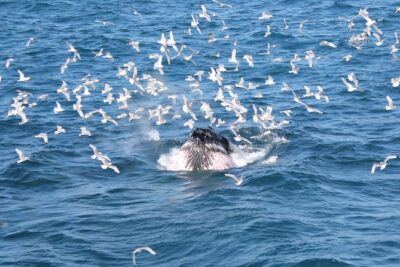
Whale Watching Tour with Professional Guide from Reykjavik
Read our review →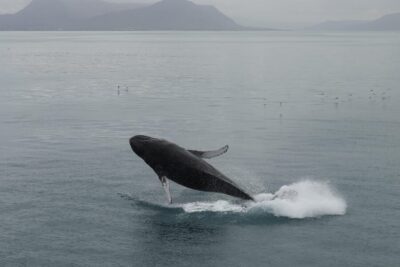
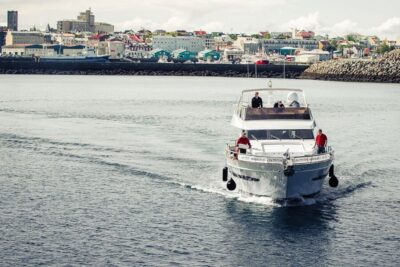
Whale Watching and Dolphin Watching Yacht Cruise
Read our review →Browse the lists this tour appears in