
Reviewed · REYKJAVIK NORTHERN LIGHTS TOURS
Reykjavik: Aurora Reykjavik The Northern Lights Center Entry
The best part of Aurora Reykjavík is that it gives you a useful indoor introduction to a natural show you may or may not catch outside. You learn how the Aurora Borealis forms, see its changing colors and shapes, then settle into a 30-minute 4K film that brings Iceland’s night skies to life. I like the practical photo simulator, and I like that staff are ready to answer questions instead of leaving you with display panels alone.
The 360° virtual reality film is another strong point, especially if cloudy weather spoils your real Aurora hunt. The main caution is value: at $33, this is not a quick museum stop for everyone. The center is best when you use the film, VR, photo practice, and expert advice, not just glance at the exhibits and leave.
Key points to know before you go
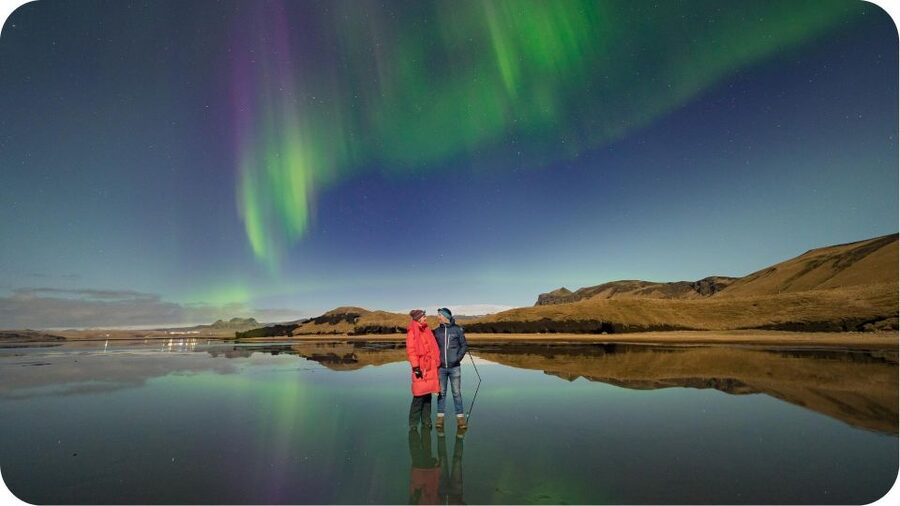
- A weather-proof Aurora experience: You can see the northern lights on screen and in VR even when Iceland’s real sky stays cloudy.
- A useful camera lesson: The photo simulator lets you practice Aurora settings before standing outside in the cold.
- A 30-minute 4K film: The cinema presentation is the main visual event and shows time-lapse Aurora displays from around Iceland.
- A science and folklore exhibition: The displays explain both Arctic stories and the solar activity behind the lights.
- A central Grandi location: Aurora Reykjavík is at Fiskislóð 53, near the city center, with free parking and public transport on line 14.
What Aurora Reykjavík actually gives you
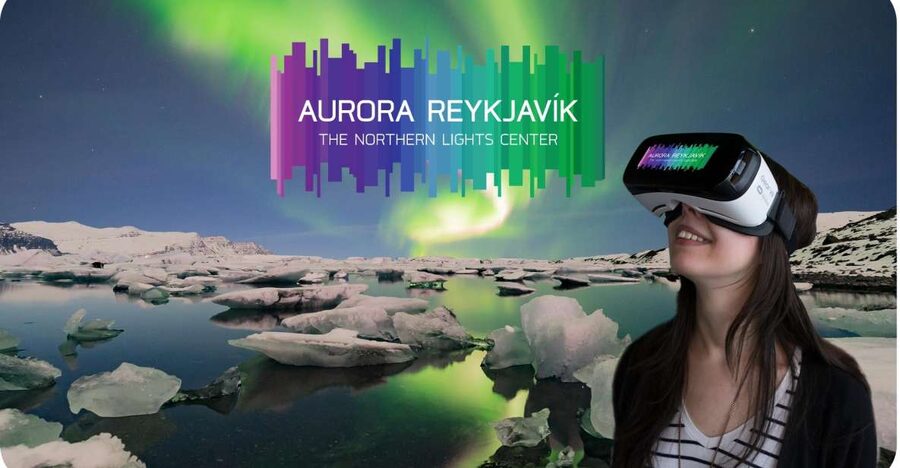
Aurora Reykjavík is a small, focused museum in the Grandi Harbour District. It is not a northern lights tour, and it cannot guarantee a real sighting. Instead, it prepares you for the hunt and gives you a worthwhile indoor alternative when nature does not cooperate.
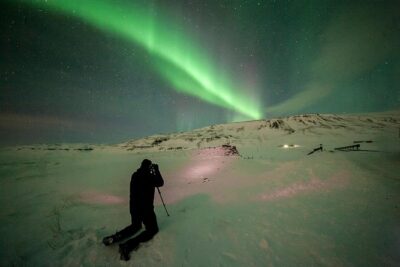
That distinction matters. A guided night excursion takes you into dark countryside in search of active skies. This experience keeps you indoors and explains what you are seeing, how it happens, and how to photograph it. I would treat it as an educational stop and a backup plan, not a replacement for standing under the real Aurora.
The visit is valid for one day, and you can check available starting times when booking. The center is suitable for all ages and is wheelchair accessible. English is the host language, though printed guidebooks and audio content offer help in several other languages.
More Reykjavik Northern Lights Tours:
- Iceland: Northern Lights Bus Tour from Reykjavik
★ 4.1 · 11,161 reviews - Small-Group Premium Northern Lights Tour from Reykjavik
★ 4.4 · 2,977 reviews - #1 Northern Lights Tour In Iceland from Reykjavik with PRO photos
★ 4.5 · 2,887 reviews
Starting with Arctic folklore and Aurora science
The exhibition begins with the human side of the northern lights. You move through stories, folklore, and mythology from Arctic cultures, seeing how people once explained the strange ribbons of light in the sky.
This section gives the Aurora a sense of place. The lights are not only a scientific event. For generations, people living under northern skies gave them spiritual meaning, warnings, stories, and names. The museum presents those ideas alongside modern explanations, which helps you see how understanding changed over time.
The science section then follows the Aurora from the Sun to Earth’s atmosphere. You learn why the lights appear, why they take different shapes, and why colors can change. The displays also explain a detail that matters when you are outside: the Aurora may look less vivid to the naked eye than it does in a long-exposure photograph.
I find that point especially helpful. Many people arrive in Iceland expecting a bright green curtain every night. The reality can be faint, pale, or brief. Knowing this before your first outing makes it easier to judge what you are actually seeing, rather than waiting for a movie-style display.
The 30-minute 4K film in the cinema
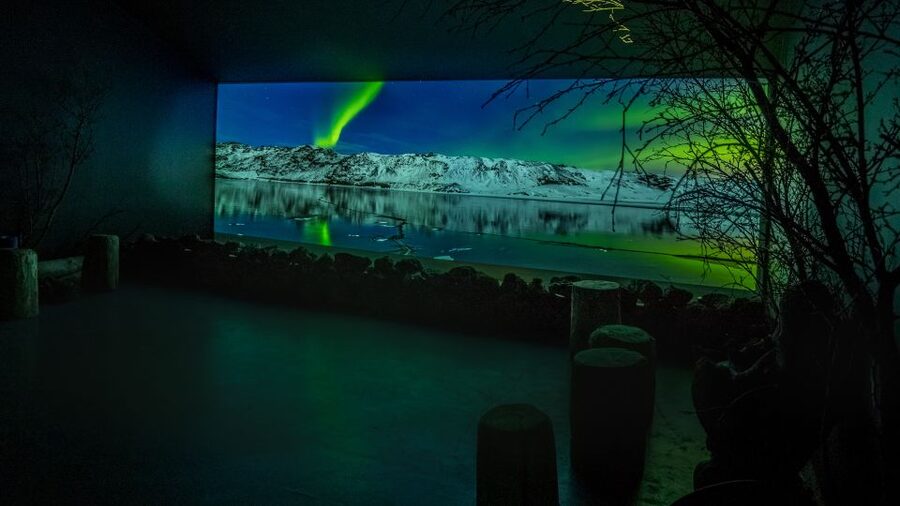
The cinema is the visual heart of the visit. You sit in a cozy theater for a 30-minute 4K time-lapse film showing Aurora displays around Iceland.
Time-lapse changes the experience. A real Aurora can fade, shift, and pause, while the film brings together many displays and shows their movement at a much faster pace. You get a clear look at the shapes and colors that may be hard to study during a short outdoor sighting.
The film is relaxing, but the room can be affected by other people. One practical complaint is that talking in the cinema can spoil the quiet mood. Staff presence also seems to vary. One person may offer a helpful talk, while another may be busy with a film or other work. If the room is quiet, the presentation works much better.
This is also where you should keep your expectations in check. The movie is beautiful and informative, but it is still a recorded display. If you are paying $33 mainly for a film, the price may feel high. The value improves when you spend time with the exhibition, use the photo simulator, and try the VR experience too.
The 360° VR Aurora experience
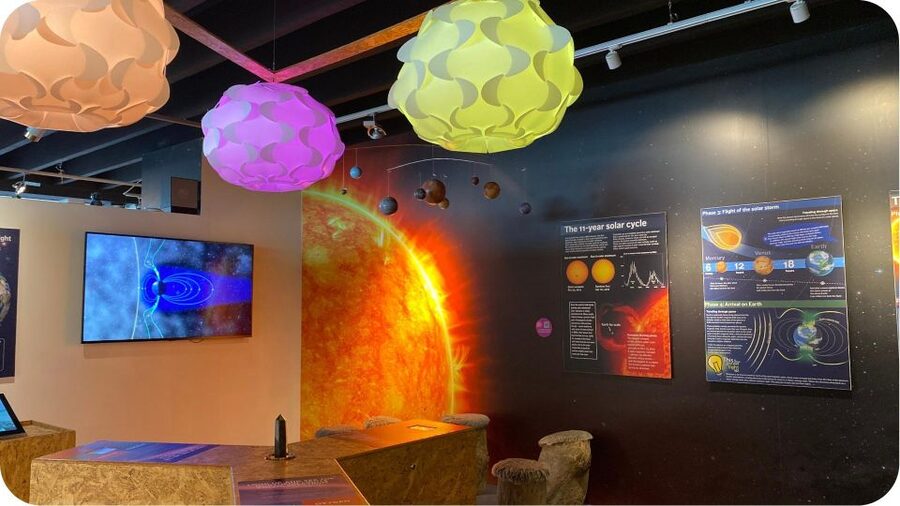
The center presents its 360° VR northern lights film as the world’s first of its kind. You put on a headset and look around an Icelandic night sky as the Aurora moves above you.
The VR show gives you a stronger feeling of being outside than the flat-screen film. You can turn your head and look in different directions, which makes the sky feel wider and more personal. It is a good option if you missed the real lights during your stay, and it adds something different rather than simply repeating the cinema film.
Pay attention to where the headsets are placed. The VR equipment may be mounted or hanging near the wall, and it can be easy to miss if nobody points it out. Do not assume the large-screen film is the entire VR offering. Ask a staff member if you are unsure how to start it or how to view the 360-degree material.
This is the feature I would prioritize if you are visiting in summer, during poor weather, or after an unsuccessful Aurora tour. It cannot match the feeling of a real sky, but it gives you a clear look at the kind of movement and scale you hope to see outdoors.
A different kind of day from Reykjavik altogether:
- Reykjavik: Golden Circle Full-Day Tour with Kerid Crater
★ 4.8 · 24,485 reviews - Reykjavik Food Walk – Local Foodie Adventure in Iceland
★ 5.0 · 18,952 reviews - Reykjavík: South Coast Waterfalls, Black Sand & Glacier Tour
★ 4.8 · 11,030 reviews - Reykjavík: Whale Watching and Marine Life Cruise
★ 4.6 · 9,838 reviews
Practicing Aurora photography before the real hunt
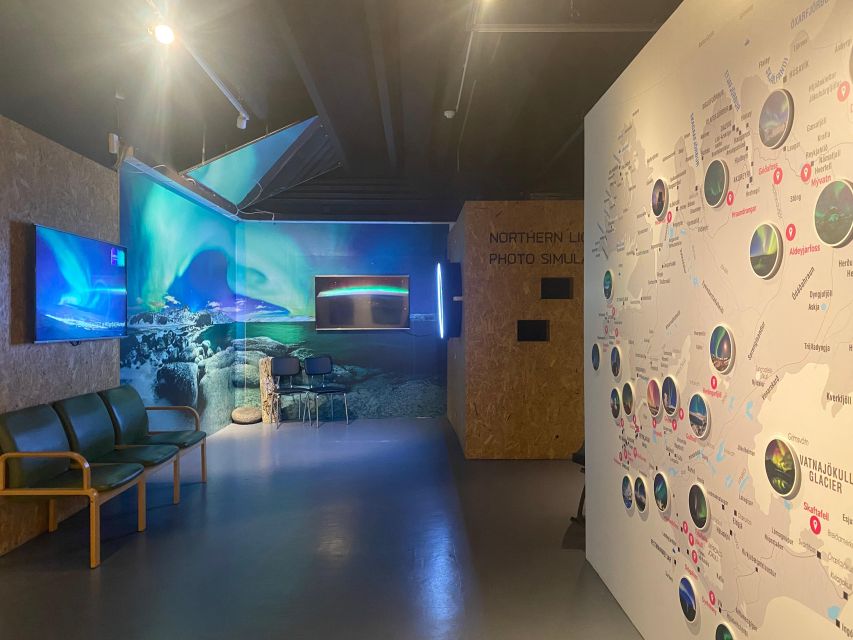
The photo simulator is one of the most practical parts of the center. It lets you practice taking pictures of the Aurora before you are standing outside with cold fingers and a dark camera screen.
Northern lights photography often requires more than simply pointing and pressing the shutter. Your camera needs suitable settings, and you need to understand how exposure affects the result. The simulator gives you a place to try the process without wasting a rare outdoor sighting.
You can also ask the team about photography. The staff includes northern lights experts and an award-winning photographer, so this is a sensible time to ask basic questions about getting sharp images, handling low light, or avoiding the common mistake of relying on automatic settings.
The simulator cannot reproduce every problem you will meet outside. It cannot create wind, snow, frost, or a moving group of people. Still, it turns general advice into practice. I would spend several minutes here, especially if you are carrying a proper camera rather than only a phone.
Audio guides, guidebooks, and languages
Printed guidebooks are available in a wide range of languages, including Chinese, Czech, Dutch, French, German, Italian, Japanese, Polish, Portuguese, Russian, Spanish, and English. The exact language selection may vary by guidebook, but the center provides useful support beyond English.
QR-based audio guides are available in English, Cantonese, French, German, Italian, Mandarin, and Spanish. You need your own headphones, or you can buy earphones at the center for 7 EUR per person.
Bring headphones if you want the audio content without paying extra. The QR format is handy, but it is less immediate than having a guide lead you through the displays. I would not make the audio guide the main reason to visit. Use it as a way to add detail at your own pace.
An English, Spanish, German, French, Italian, Czech, Dutch, or Chinese souvenir guidebook is also available for 14 EUR. That is an optional purchase, not part of admission. The same goes for a café drink, listed at 4 EUR.
Location, timing, and practical comfort
Aurora Reykjavík is at Fiskislóð 53 in the Grandi Harbour District, a short distance from central Reykjavík. Public transport line 14 serves the area, and free parking is available.
The location makes this easy to fit around a day in the city. You do not need to give up an entire day, despite the booking being valid for one day. Most people will likely spend enough time to see the exhibition, watch the film, try the VR, and use the simulator without treating it as a full-day attraction.
Opening hours can change, so check the center’s website before setting out. Available entry times are shown when you check availability. The activity has skip-the-ticket-line entry, and you can cancel up to 24 hours in advance for a full refund. Reserve-now, pay-later booking is also available if you want to keep your plans flexible.
The building is wheelchair accessible. Bring warm clothing for the walk to and from the center, but the experience itself takes place indoors. One practical winter issue has been an icy entrance, so take care on the approach when conditions are poor.
How the price compares with the experience
Admission costs $33 per person. That is a fair price for someone who uses the center as a full Aurora lesson, but it feels steep for a short visit focused only on the main film.
You are paying for several parts: the folklore and science exhibition, the 30-minute 4K cinema film, the 360° VR presentation, the photo simulator, guidebooks, and access to staff who can answer questions. The price makes more sense if you are actively preparing for an outdoor hunt or if bad weather has already spoiled your plans.
The value is also stronger for families and mixed-age groups. Children can enjoy the visual effects and VR, while adults can focus on the science and photography. Since the center is suitable for all ages, it can fill a cold or rainy afternoon without asking everyone to walk through a long, demanding museum.
I would be more hesitant if you have already seen a strong Aurora in nature and learned how to photograph it. In that case, the museum may feel like a pleasant extra rather than an essential stop. If you have not seen the lights at all, it becomes a useful way to make the subject feel less abstract.
Who should make time for Aurora Reykjavík
This experience suits you best if you are visiting Iceland outside the main Aurora season, dealing with poor weather, or planning a night hunt and want to understand the basics first.
It is also a good choice for:
- Families who need an indoor activity suitable for different ages
- Anyone curious about the science behind the lights
- Photographers who want to practice before going outside
- People who missed the Aurora during their trip
- Visitors who prefer a shorter attraction near central Reykjavík
- Anyone who wants practical advice from staff before booking a night excursion
It is less suitable if you expect a real outdoor sighting, a guided bus trip, or a long museum visit. The center cannot control the sky, and the recorded film and VR can only show you an approximation of nature.
What to bring and how to get the most from it
Bring headphones if you plan to use the QR-based audio guides. You can buy earphones for 7 EUR, but there is no need to pay that extra cost if you bring your own.
Give yourself enough time for every major feature. Start with the folklore and science, then watch the film without rushing. Afterward, ask about the VR headset and spend time at the photo simulator rather than treating it as a quick novelty.
Ask staff your specific questions. The center’s team can help explain Aurora activity, viewing conditions, and photography. Even a short conversation can be more useful than reading every panel, especially if you plan to hunt for the lights later that evening.
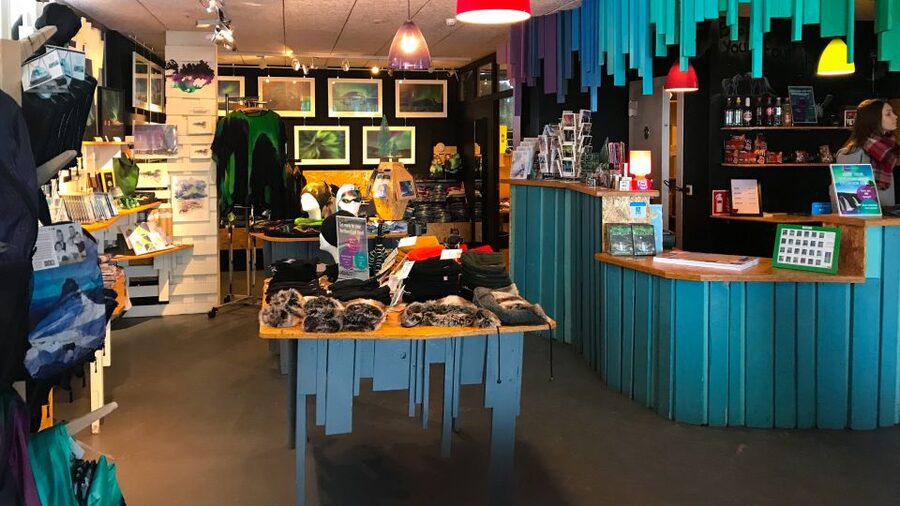
The center also has a café and a small shop with local art and souvenirs. A hot drink costs 4 EUR according to the listed information. It is a simple comfort at the end of the visit, not a major part of the attraction.
Should you book Aurora Reykjavík?
Book it if you want a clear introduction to the northern lights, a weather-proof visual experience, and practical photo advice. The VR show and the 30-minute 4K film are the strongest reasons to visit, while the simulator adds real value for anyone using a camera.
Skip it if you only want to see the real Aurora or if $33 feels too much for an indoor attraction. No museum can replace a dark Icelandic sky filled with moving light. But when clouds, timing, or luck get in the way, Aurora Reykjavík gives you a useful and enjoyable way to understand what you missed and prepare for the next chance.
FAQ
Where is Aurora Reykjavík located?
Aurora Reykjavík is at Fiskislóð 53, 101 Reykjavík, in the Grandi Harbour District near the city center.
How much does admission cost?
Admission is $33 per person.
How long does the experience last?
The booking is valid for one day, and the main cinema film lasts 30 minutes. The total visit time depends on how long you spend with the exhibition, VR, photo simulator, and audio content.
Is the real northern lights experience included?
No. The center provides an indoor exhibition, a 4K film, 360° VR, and photography practice. It does not take you outside to see the Aurora.
What languages are available?
The host language is English. Guidebooks are available in several languages, including Chinese, Czech, Dutch, French, German, Italian, Japanese, Polish, Portuguese, Russian, and Spanish. Audio guides are available in English, Cantonese, French, German, Italian, Mandarin, and Spanish.
Should I bring headphones?
Yes. Headphones are recommended for the QR-based audio guides. Earphones can also be purchased at the center for 7 EUR per person.
Is Aurora Reykjavík wheelchair accessible?
Yes, the experience is wheelchair accessible and suitable for all ages.
Newly added around Reykjavik
- Reykjavik: Whale Watching & Lava Show★ 5.0 · 4 reviews
- Reykjavík: Horse Riding Tours★ 4.9 · 127 reviews
- Reykjavik: Whale & Marine Adventure Tour★ 4.3 · 71 reviews
- Luxury Private Transfer from Reykjavik to Keflavik Airport★ 5.0 · 9 reviews
- From Reykjavík: Viking Horseback Tour in Hafnarfjörður★ 4.9 · 112 reviews
- Day Trip to Snæfellsness Peninsula from Reykjavik★ 5.0 · 7 reviews
- Winter South Coast Day Tour by Minibus from Reykjavik★ 5.0 · 109 reviews
- Whale Watching and Marine Life Tour in Reykjavik★ 4.5 · 55 reviews
Reykjavik Northern Lights Tours, compared.
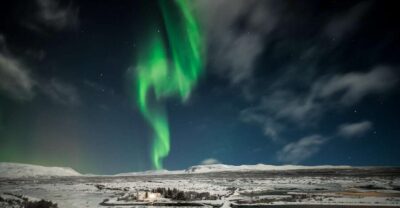
Small-Group Premium Northern Lights Tour from Reykjavik
Read our review →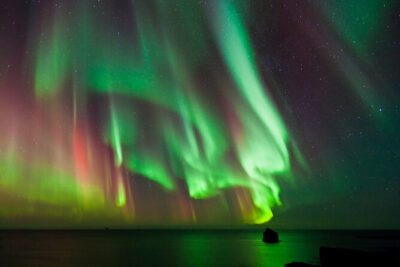
#1 Northern Lights Tour In Iceland from Reykjavik with PRO photos
Read our review →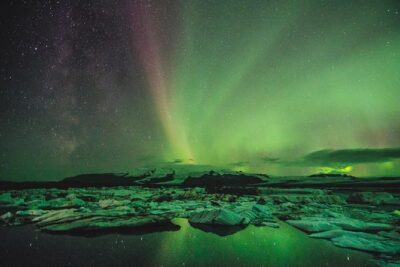
Northern Lights Small-Group Tour with Hot Chocolate & Photos
Read our review →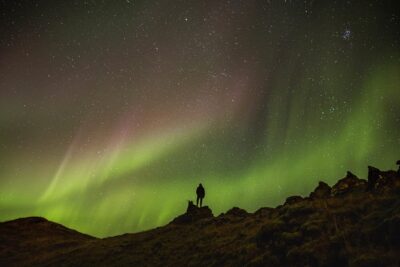
Northern Lights Bus Tour from Reykjavik with Hot Chocolate
Read our review →
Browse the lists this tour appears in