
Reviewed · LAVA CAVING TOURS FROM REYKJAVIK
From Reykjavík: The Lava Tunnel tour with Round-trip Transfer
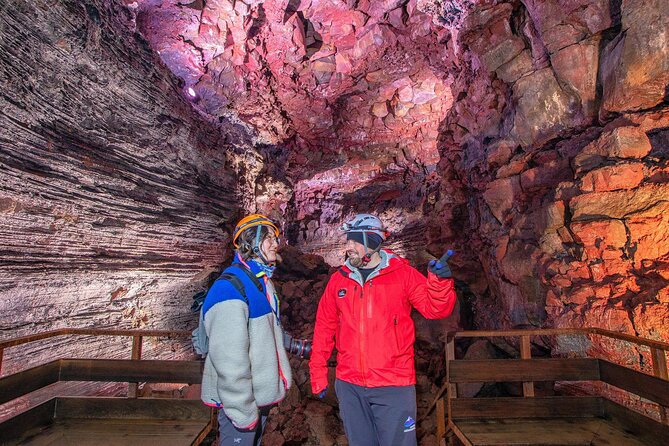
Raufarhólshellir is not a polished show cave. It is a real lava tube, with rough rock, low ceilings, damp patches, and stretches where you may need to crouch or crawl. That raw feel is the point. Once the guide switches off the lights, Iceland’s underground world becomes completely black and wonderfully quiet.
I like the easy transport from Reykjavík, and I like that your helmet, headlamp, and other caving gear are included. Guides such as Jonas and Paulina have been praised for making the geology clear and helping nervous people feel at ease. The catch is simple: this is physical caving, not a gentle underground stroll.
- Raufarhólshellir is only about a 45-minute drive from Reykjavík, making this a practical half-day outing.
- Your guide explains how flowing magma created the tunnel, along with the meaning of different lava textures.
- You may walk, crouch, and crawl, sometimes over rough or slippery ground.
- The provided helmet and headlamp are useful, but bring hiking shoes, gloves, and warm waterproof clothing.
- Small groups make the tight cave passages easier to manage, though the maximum group size can reach 28.
- The three-hour tour leaves time to explore Reykjavík, especially with an early departure.
A Short Ride to Raufarhólshellir
The tour begins at 8:00 a.m. with pickup at an approved Reykjavík location. You travel in an air-conditioned minivan, with free Wi-Fi on board, and the drive to the cave takes roughly 45 minutes according to the tour details.
That short ride matters. Iceland has many fine day trips that consume most of a day, but this one gives you a taste of the volcanic interior without taking over your schedule. You can visit the lava tunnel in the morning and still have much of the day left for Reykjavík museums, cafés, or a slow walk around the harbor.
Pickup is not available at every hotel. City-center hotels and private Airbnb addresses are excluded because of traffic restrictions. You’ll need to meet the minivan at one of the listed pickup points, such as Hallgrímskirkja, the BSÍ Bus Terminal, City Hall, Reykjavík Lights Hotel, Grand Hotel Reykjavík, or another approved stop.
Check this detail before booking. The tour is convenient once you reach the pickup point, but it is not door-to-door for everyone. Arrive early and allow extra time if you need to walk from your accommodation.
The drive itself is part of the introduction. Your guide explains how a lava tube forms: hot magma flows beneath a hardened surface, then drains away as the eruption ends. The result is a hollow corridor shaped by heat, movement, cooling, and collapse.
Kitting Up Behind the Lava Field
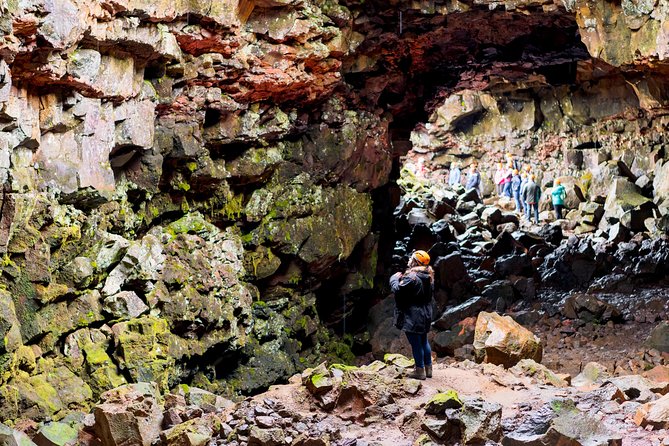
At Raufarhólshellir, you walk a short distance from the visitor area toward the tunnel entrance. The setting gives you a useful sense of scale. What looks like a broad volcanic field above ground continues into a hidden system beneath your feet.
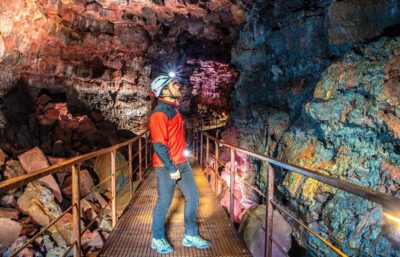
Before entering, you receive a safety briefing and put on the supplied caving equipment. This includes a helmet with a flashlight, and equipment suited to the conditions may also include traction aids such as crampons. You still need to bring your own good hiking shoes and gloves.
Wear clothing you can get dirty. The operator advises warm outdoor clothing, a waterproof jacket and pants, headwear, gloves, and hiking shoes. That advice is worth taking seriously. The cave can be damp, the footing is uneven, and water or loose rock can make the route less comfortable than a normal walking tour.
The helmet protects your head when the ceiling drops. The headlamp gives you a personal beam, but it also creates a narrow field of view. A guide’s stronger torch helps reveal larger formations, while your own light helps you place each step.
More Lava Caving Tours from Reykjavik:
- The Lava Tunnel Tour – Raufarhólshellir
★ 5.0 · 2,373 reviews - Reykjavik: Snæfellsnes Day Trip with Vatnshellir Lava Cave
★ 4.7 · 1,108 reviews - From Reykjavik: Raufarhólshellir Lava Tunnel by Bus
★ 4.6 · 793 reviews
Inside the Lava Tube
The first steps into Raufarhólshellir change the mood quickly. Daylight fades, the air feels cooler, and the rough walls close around the route. Your guide leads the group through the tunnel, stopping to explain the rock and the forces that shaped it.
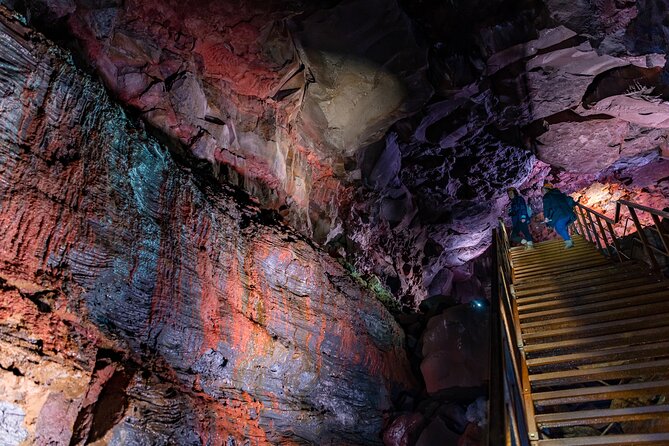
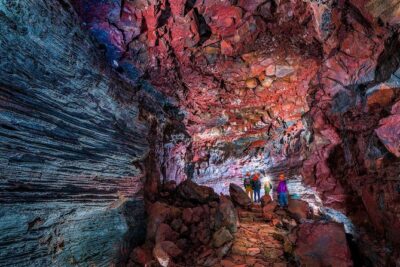
You may see multicolored lava layers, ridges, and stream-like marks frozen into the walls and ceiling. The guide uses these formations to explain that separate textures can point to different stages or types of eruption. You are not simply walking through a dark hole. You are reading the remains of moving lava.
The tunnel has an unusual silence. Irregular rock absorbs and breaks up sound, so the cave does not always produce the dramatic echoes you might expect. One of the memorable moments comes when the group turns off its lights. With no daylight and no headlamps, you experience total darkness for a short time.
That moment is worth more than another photo. It gives you a quick sense of how little the cave offers your eyes without artificial light. It also explains why the guide’s instructions and the group’s pace matter.
Some sections are open enough for you to stand or walk with only modest crouching. Other parts are lower. You may need to bend sharply, get close to the ground, or crawl through a tighter passage. One route may offer a choice between returning the way you came or taking a more demanding section with a few spots that require getting onto your stomach.
This is the main dividing line for the tour. If you want a mild geological walk, the crawling may feel like too much. If you want genuine caving without committing to a full technical expedition, those low sections provide the adventure you came for.
What the Formations Actually Show You
Lava caves can look less colorful than photographs suggest. Raufarhólshellir has areas of strong visual interest, but much of the tunnel is dark gray, black, brown, or muted in tone. If you have visited large limestone caves in the United States, you may find this smaller and less ornate.
The appeal here is different. Limestone caves are shaped over long periods by groundwater, while a lava tube records the movement of volcanic rock as it cooled. You see hardened flow lines, rough walls, and formations created as molten material drained through the tunnel.
Look for the beginnings of stalactites and stalagmites. They are not necessarily as large or decorative as the formations in a classic show cave, but their early stages help you understand that the cave is still being changed by moisture and temperature.
Winter can add another layer. Ice icicles and small rounded ice formations may appear where melting snow works its way down from above. Conditions vary, so you should not book expecting one exact display. The tunnel’s appearance changes with weather and season.
Your guide is central to the experience. Past departures have included guides named Jonas and Paulina, both described as warm, clear, and confident. A strong guide turns plain rock into a story about eruptions, pressure, cooling, and time. The guide also controls the pace, points out low sections, and helps the group move safely.
The Physical Side of the Tour
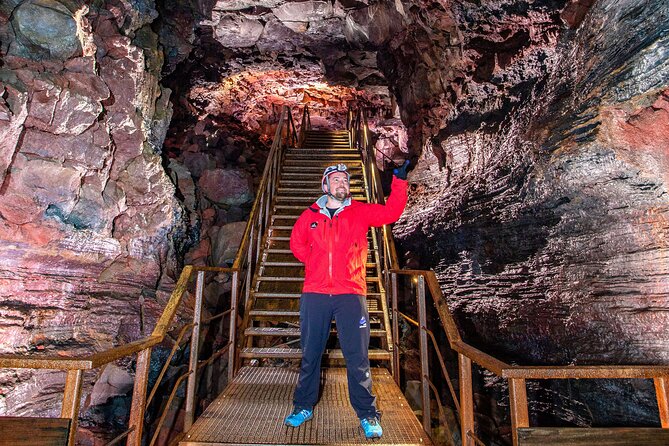
The tour requires a moderate level of fitness. That phrase can sound vague, so here is the practical version: expect uneven ground, stooping, balance work, and at least some crawling. You will not spend the entire tour on your hands and knees, but the low passages are a real part of the experience.
I would not choose this outing if you have serious back, knee, or joint problems. It is also a poor match if confined spaces make you panic. The cave opens up in places, and one person with claustrophobia found the guide supportive, but no guide can remove the basic fact that you are underground in a narrow volcanic tube.
Height and build are not automatic deal-breakers. A larger participant was able to fit through the tighter sections, and many visitors spend much of the route standing or crouching rather than crawling. Still, you should be comfortable with physical movement and able to make your own judgment about the low parts.
Good shoes matter more than fashionable clothes. Choose footwear with firm soles and reliable grip. Gloves protect your hands from rough rock, and knee pads could be useful if you expect to take the more demanding route, though they are not listed as included equipment.
A different kind of day from Reykjavik altogether:
- Reykjavik: Golden Circle Full-Day Tour with Kerid Crater
★ 4.8 · 24,485 reviews - Reykjavik Food Walk – Local Foodie Adventure in Iceland
★ 5.0 · 18,952 reviews - Iceland: Northern Lights Bus Tour from Reykjavik
★ 4.1 · 11,161 reviews - Reykjavík: South Coast Waterfalls, Black Sand & Glacier Tour
★ 4.8 · 11,030 reviews
Group Size, Guides, and Pace
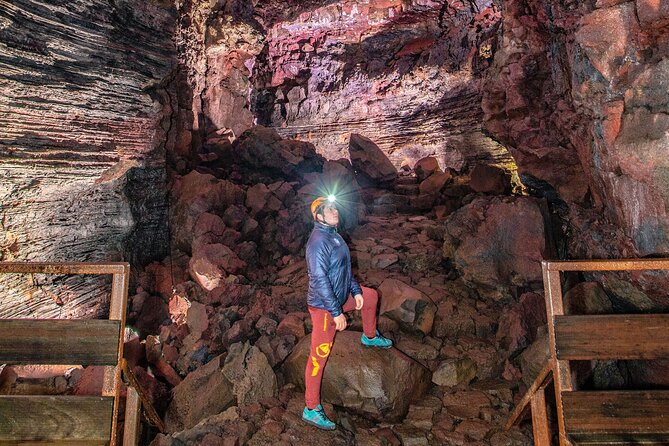
The tour promises a small-group experience, with a maximum of 28 people. In practice, group sizes can be much smaller, including departures with four people or around 13 people. Two guides may assist larger groups.
The cave itself limits how much a large group can spread out. A smaller party feels calmer and makes it easier to hear explanations, stop for photos, and move through narrow areas without a traffic jam. A group of 28 would feel less intimate than a group of four, so the maximum is worth noting even with the small-group promise.
The guide’s attitude makes a major difference. The best moments come when the leader explains the cave without rushing, checks that everyone is comfortable, and treats the underground environment with respect. One guide even helped a nervous participant through two small spaces. That kind of support is especially valuable if you are adventurous but not an experienced caver.
Fog or poor road conditions can compress the schedule. A delayed arrival does not necessarily mean a poor visit, but weather can affect the drive and the time available underground. The tour requires suitable weather, so a cancellation may result in another date or a full refund.
Is $114.65 a Fair Price?
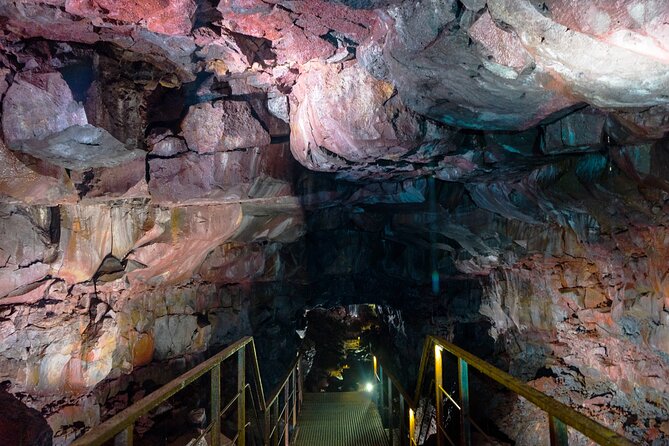
At $114.65 per person, this is not a cheap walk. The cost covers round-trip transport from Reykjavík, a certified guide, caving equipment, a small-group format, and the instruction that makes the cave meaningful.
The value depends on how you compare it. If you only count time underground, a three-hour tour can feel expensive, particularly if you expect a large cave with dramatic colors and long passages. If you count the transport, equipment, safety briefing, geology lesson, and unusual setting, the price is easier to defend.
I see it as a good value for a first caving experience. You do not need to rent specialist equipment or find your own way across the volcanic field. You also avoid spending an entire day on the road.
It is less convincing for someone who has already seen many large cave systems and wants elaborate formations. Raufarhólshellir is a lava tube, not an underground cathedral. Its appeal lies in volcanic structure, darkness, rough texture, and the chance to crawl through a natural passage.
Who Should Book It?
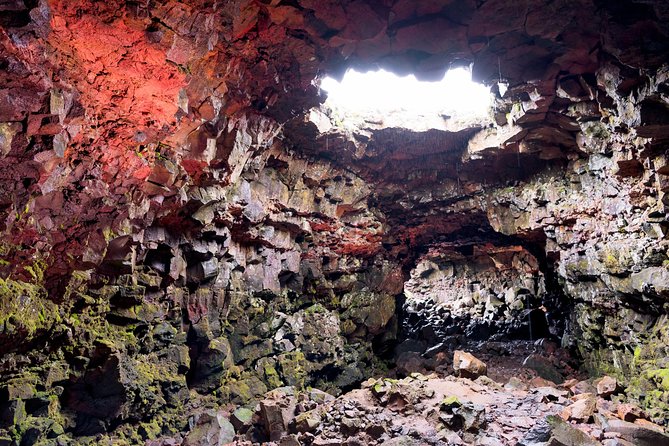
I would choose this tour if you want something active and unusual near Reykjavík. It suits families with children aged six and older, provided the child can manage the uneven route and follow safety instructions. It also works well for couples, small groups of friends, and solo visitors who prefer a guide for an unfamiliar underground setting.
The tour is a good fit for you if:
- You want a half-day outing rather than a full-day road trip.
- You enjoy geology, volcanoes, and hands-on experiences.
- You are willing to get dirty and move slowly over rough ground.
- You want transport and equipment arranged for you.
- You like having a guide explain what you are seeing.
I would skip it if you want easy walking, broad open spaces, or a highly decorated cave. I would also think twice if your knees, back, or balance are unreliable. The tour is active enough that the cave itself, not the drive or the price, should guide your decision.
You receive confirmation at booking unless you book within two days of departure, when confirmation can take up to 48 hours and remains subject to availability. Free cancellation is available up to 24 hours before the start time. Food and drinks are not included, so eat beforehand or bring what you need.
The Ride Back to Reykjavík
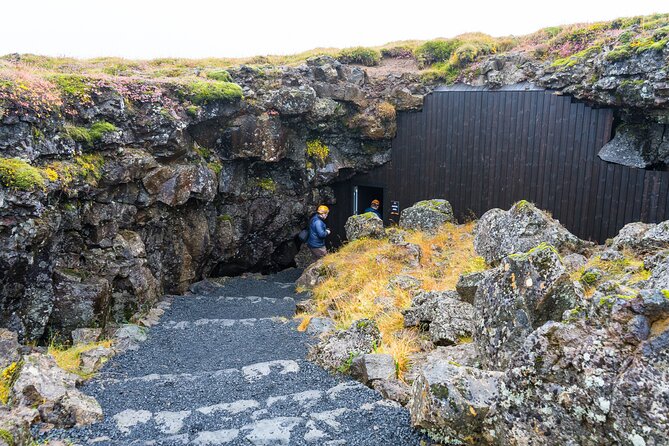
After exploring the tunnel, you return your caving equipment and walk back to the minivan. The ride to Reykjavík gives you a chance to warm up, check your photos, and let the experience settle.
The tour ends at your hotel area or designated drop-off point, depending on the operator’s pickup system. With the early start, you should still have useful daylight hours for the capital.
That half-day shape is one of the strongest reasons to choose this outing. You get a genuine volcanic experience without giving up a full day of Iceland’s other sights.
Should You Book This Lava Tunnel Tour?
Book it if you want real, guided caving close to Reykjavík and you are comfortable with crouching, crawling, rough ground, and darkness. The included equipment, short drive, strong safety focus, and volcanic explanation make it an efficient way to try something far removed from ordinary sightseeing.
Skip it if you expect a huge, colorful cave or an easy underground walk. At $114.65, the experience earns its value through access, guidance, and adventure rather than size. For an active visitor who wants to feel Iceland’s volcanic past underfoot, Raufarhólshellir is a memorable choice.
FAQ
How long does the lava tunnel tour last?
The tour lasts approximately three hours, including transportation from Reykjavík, the cave visit, and the return journey.
Where does the tour visit?
The itinerary visits Raufarhólshellir, an Icelandic lava tunnel outside Reykjavík.
What time does the tour start?
The listed start time is 8:00 a.m.
Is pickup included?
Yes. Reykjavík pickup and return are included, but only from the specified pickup points. City-center hotels and private Airbnb addresses are not served directly.
What equipment is provided?
Caving equipment is provided, including a helmet with a flashlight. You are still advised to bring hiking shoes and gloves.
What should I wear?
Bring warm outdoor clothing, a waterproof jacket and pants, headwear, gloves, and hiking shoes.
Do I need to crawl inside the cave?
You should be prepared to crawl or move close to the ground in some sections. Much of the route may require only crouching, but low passages are part of the experience.
Is the tour suitable for children?
The minimum age is six years old. Children must still be able to manage uneven terrain and follow the guide’s safety instructions.
Is food included?
No. Food and drinks are not included.
Can I cancel the tour for a refund?
You can cancel for a full refund up to 24 hours before the experience starts. If poor weather causes the operator to cancel, you are offered another date or a full refund.
Newly added around Reykjavik
- Reykjavik: Whale Watching & Lava Show★ 5.0 · 4 reviews
- Reykjavík: Horse Riding Tours★ 4.9 · 127 reviews
- Reykjavik: Whale & Marine Adventure Tour★ 4.3 · 71 reviews
- Luxury Private Transfer from Reykjavik to Keflavik Airport★ 5.0 · 9 reviews
- From Reykjavík: Viking Horseback Tour in Hafnarfjörður★ 4.9 · 112 reviews
- Day Trip to Snæfellsness Peninsula from Reykjavik★ 5.0 · 7 reviews
- Winter South Coast Day Tour by Minibus from Reykjavik★ 5.0 · 109 reviews
- Whale Watching and Marine Life Tour in Reykjavik★ 4.5 · 55 reviews
Lava Caving Tours from Reykjavik, compared.
Snæfellsnes Day Trip with Vatnshellir Lava Cave
Read our review →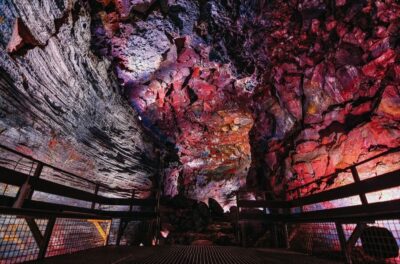
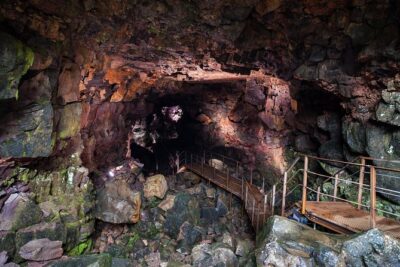
The Lava Tunnel Tour with Transfer from Reykjavik
Read our review →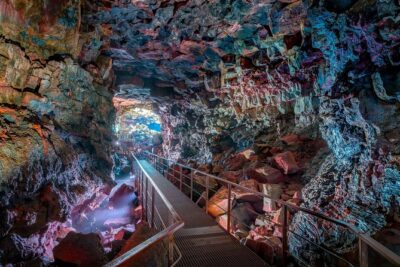
Lava Tunnel Tour Including Transfers from Reykjavik
Read our review →
Epic Snæfellsnes Adventure with Lava Cave Small-Group Day-Tour
Read our review →
Silver Circle: Lava Cave, Waterfalls & Iceland Horses-Small Group
Read our review →Browse the lists this tour appears in